Preparing your Ayurvedic experience...
Pure & Authentic Ayurvedic Care | Free Shipping

Preparing your Ayurvedic experience...
Discover expert-reviewed insights, traditional wellness wisdom, and holistic therapies focused on Benefits.
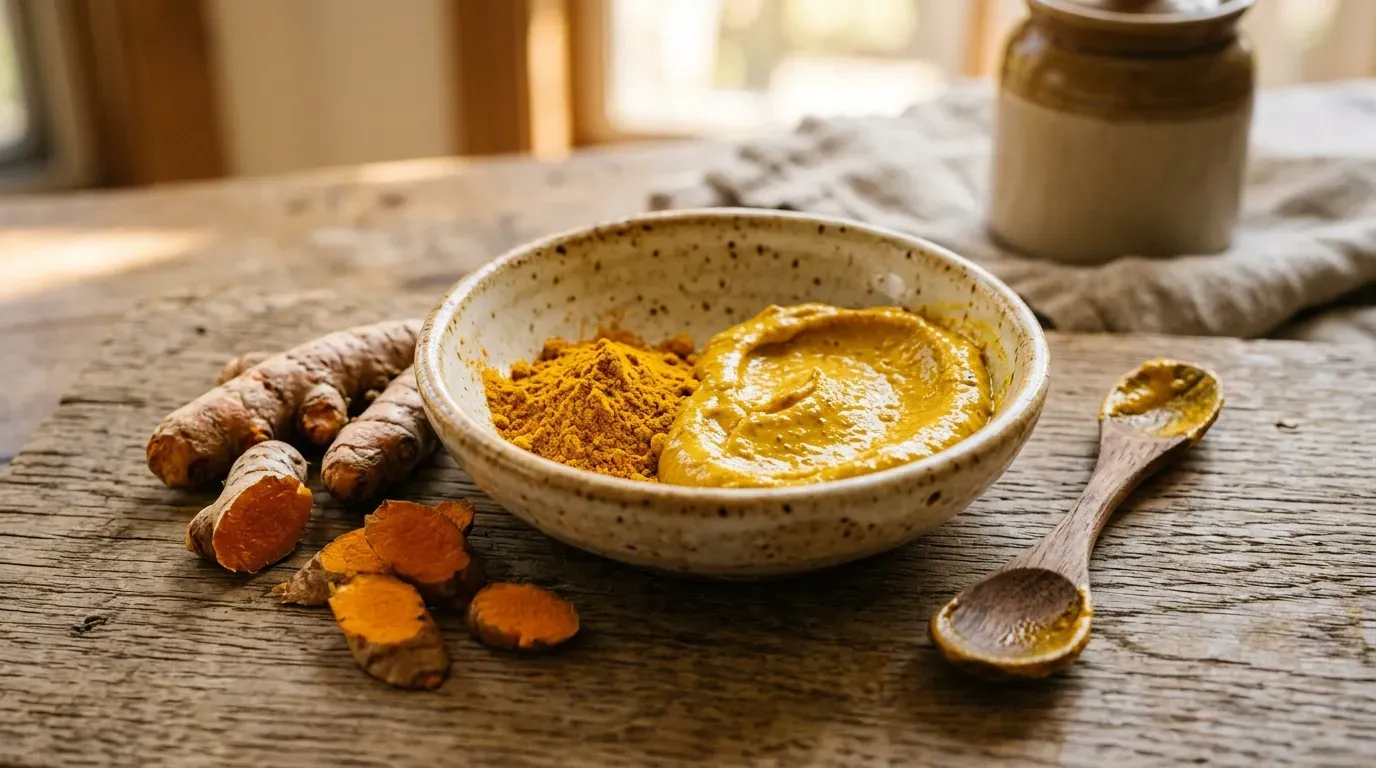
Turmeric shows up in every second skincare reel, but does it actually do anything or is it mostly hype? Here's an honest look at what turmeric can and can't do for your skin.

Bought a good hair oil but still not seeing results? The problem might not be the oil at all. Here's how application technique changes everything.
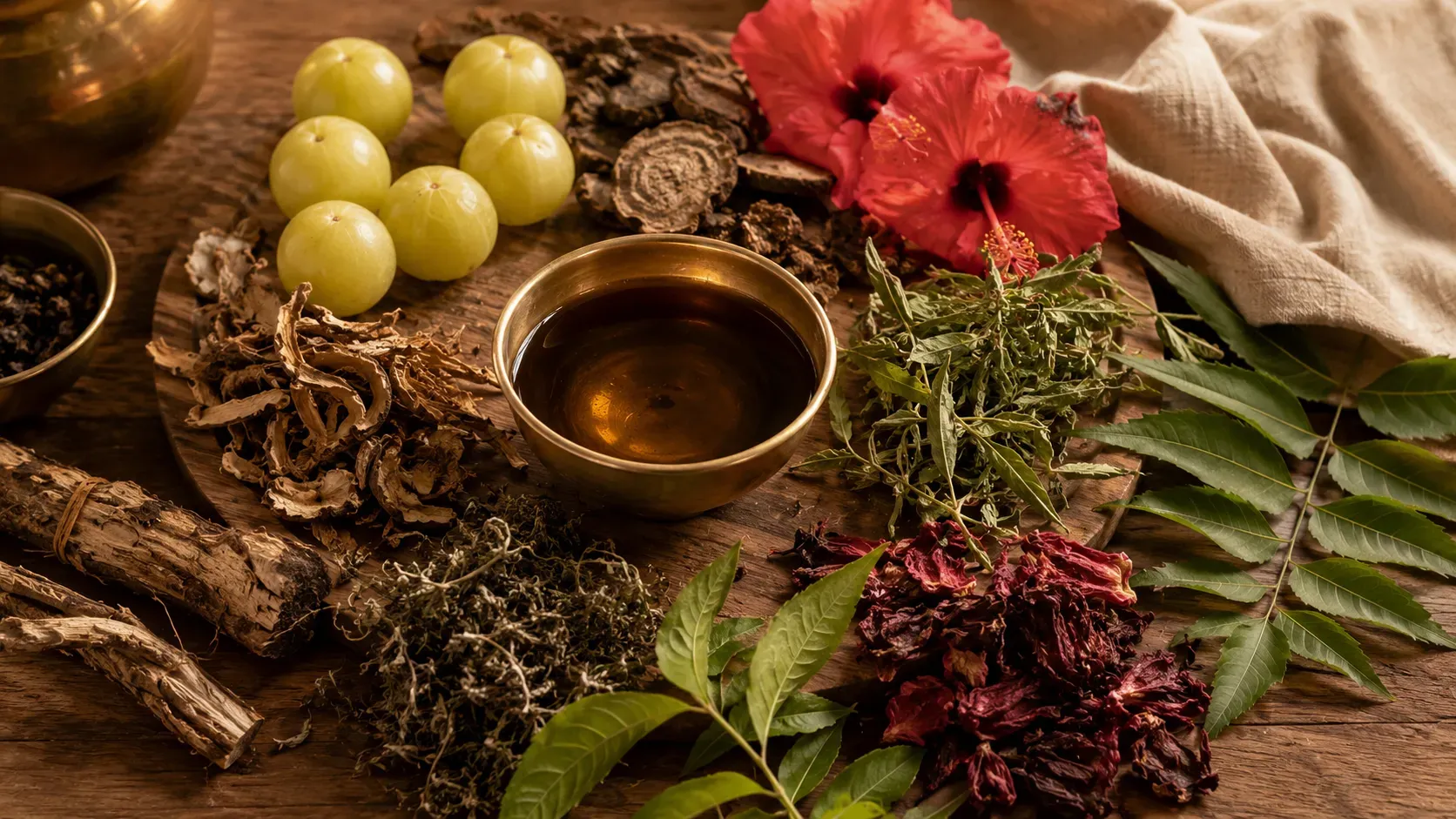
You've seen these names on every hair oil label, but what do they actually do? Here's a real breakdown of the most trusted Ayurvedic herbs for hair, and why they're used together, not alone.

Everyone online seems to be double cleansing now. Here's whether it's actually necessary for your skin type, or just an extra step your routine doesn't need.
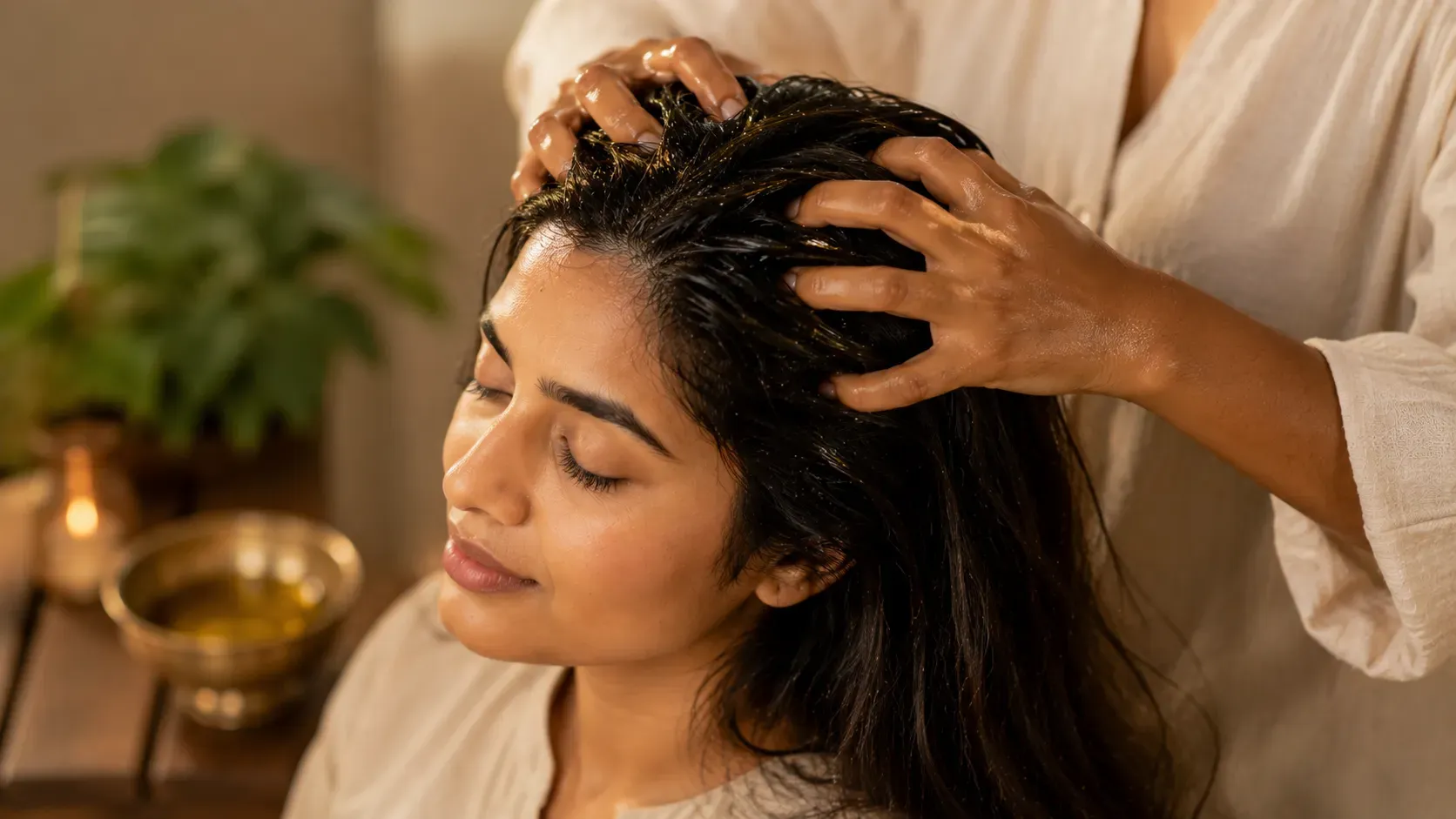
It feels relaxing, sure, but does scalp massage actually grow hair or is that just a comforting myth? Here's what the practice really does, backed by both tradition and evidence.

Tried every product and still losing hair? Your tap water might be the actual problem. Here's how hard water damages hair over time, and what you can realistically do about it.

Wash daily and your scalp overreacts. Skip too many days and it feels heavy and dull. Here's how to find the washing frequency that actually fits your hair type, not just a generic rule.
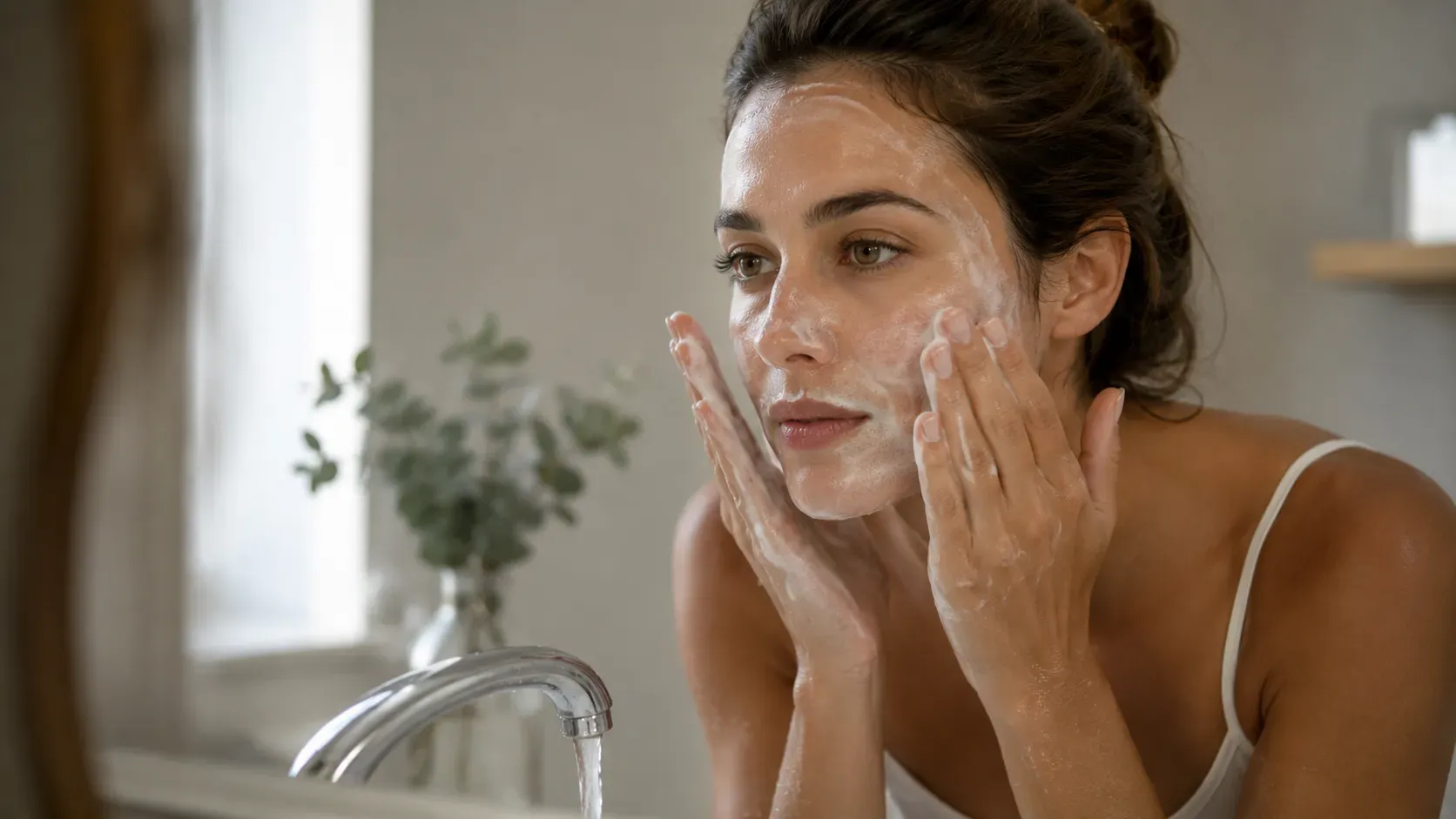
You've read every ingredient label and still can't find a face wash that agrees with your skin. The missing piece might be pH, the one factor most people never think to check.

Everyone has an opinion on when to oil your hair, but most of that advice skips the actual reasoning. Here's what oiling before a wash does differently than oiling after, and which one your hair actually needs.
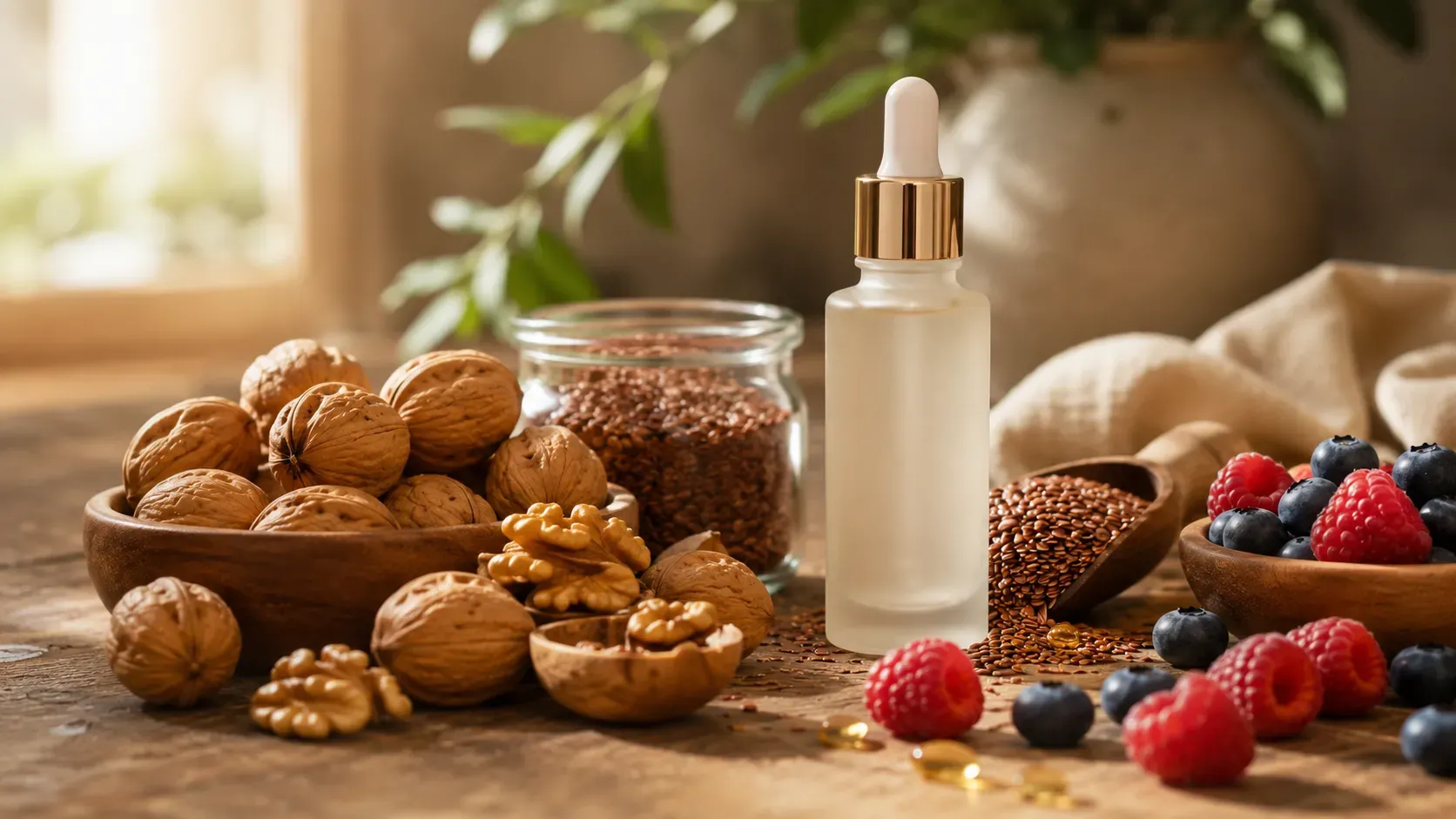
You can layer on every serum available and still not see the glow you're after if your diet is working against you. Dermatologists and facialists are increasingly treating nutrition as part of the actual routine, not a separate wellness topic.
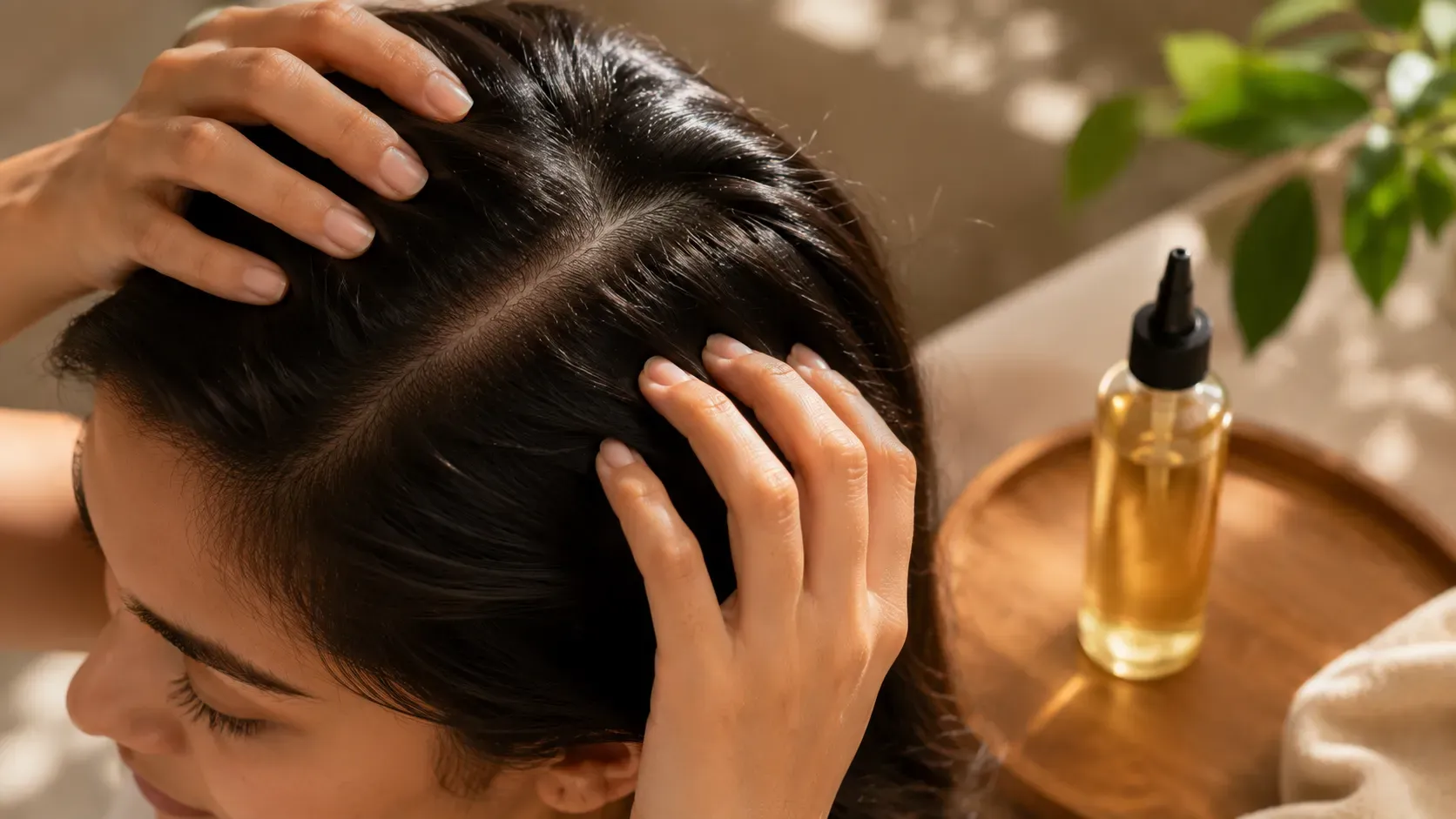
Haircare has quietly stopped being about the hair itself. In 2026, the biggest shift in the industry is treating your scalp as a living ecosystem, not just a surface to shampoo. Here's what that actually means and why it changes how you should be caring for your hair.

Global brands are marketing "bond-repair" protein masks as cutting-edge innovation. Indian households were already doing this with hibiscus and fenugreek generations ago. Here's how these two ingredients actually work.
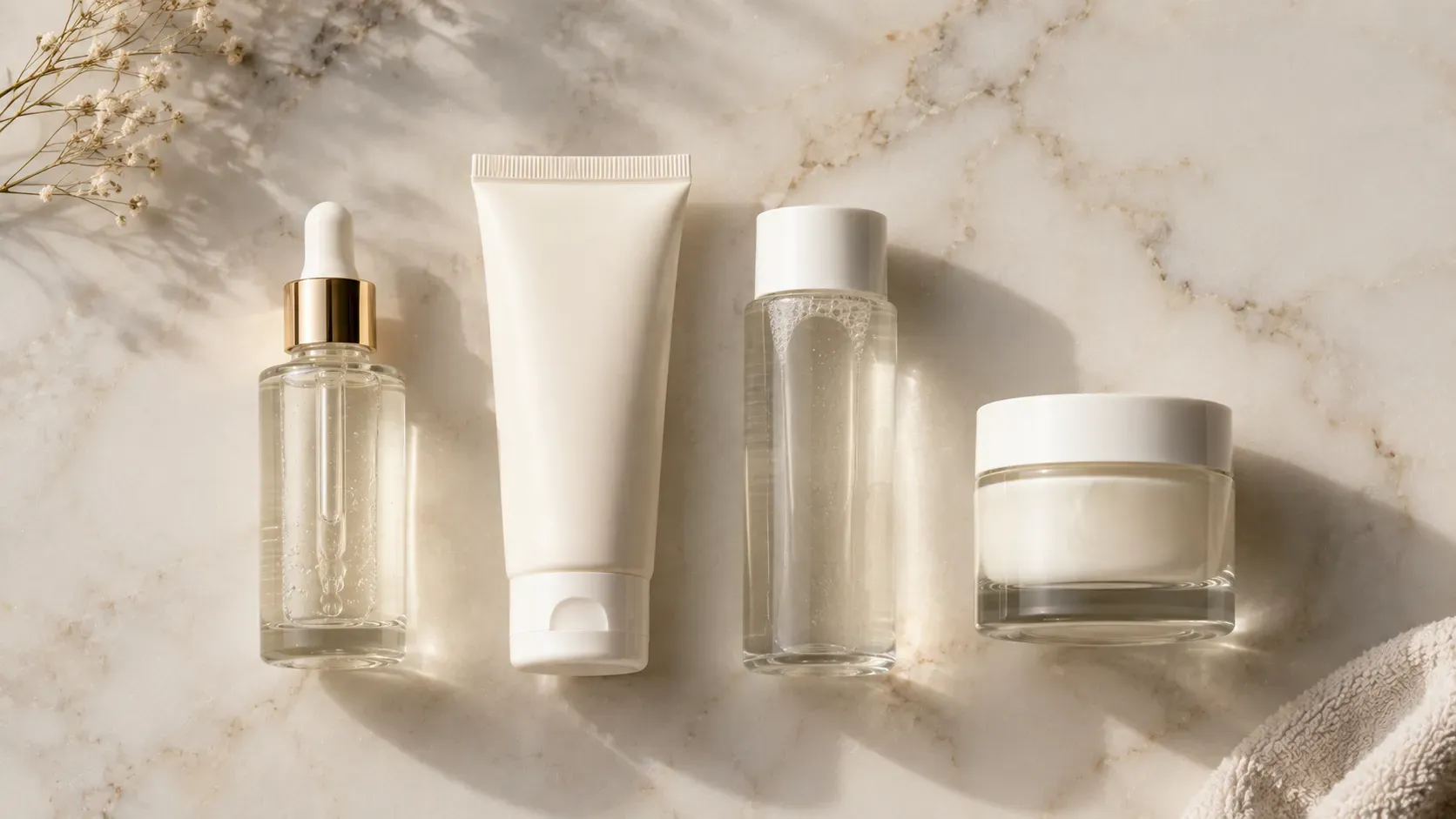
The 10 to 12 step Korean-inspired routine had its moment. In 2026, dermatologists are pointing to a much simpler standard, just four steps, and honestly, most people's skin is better off for it.
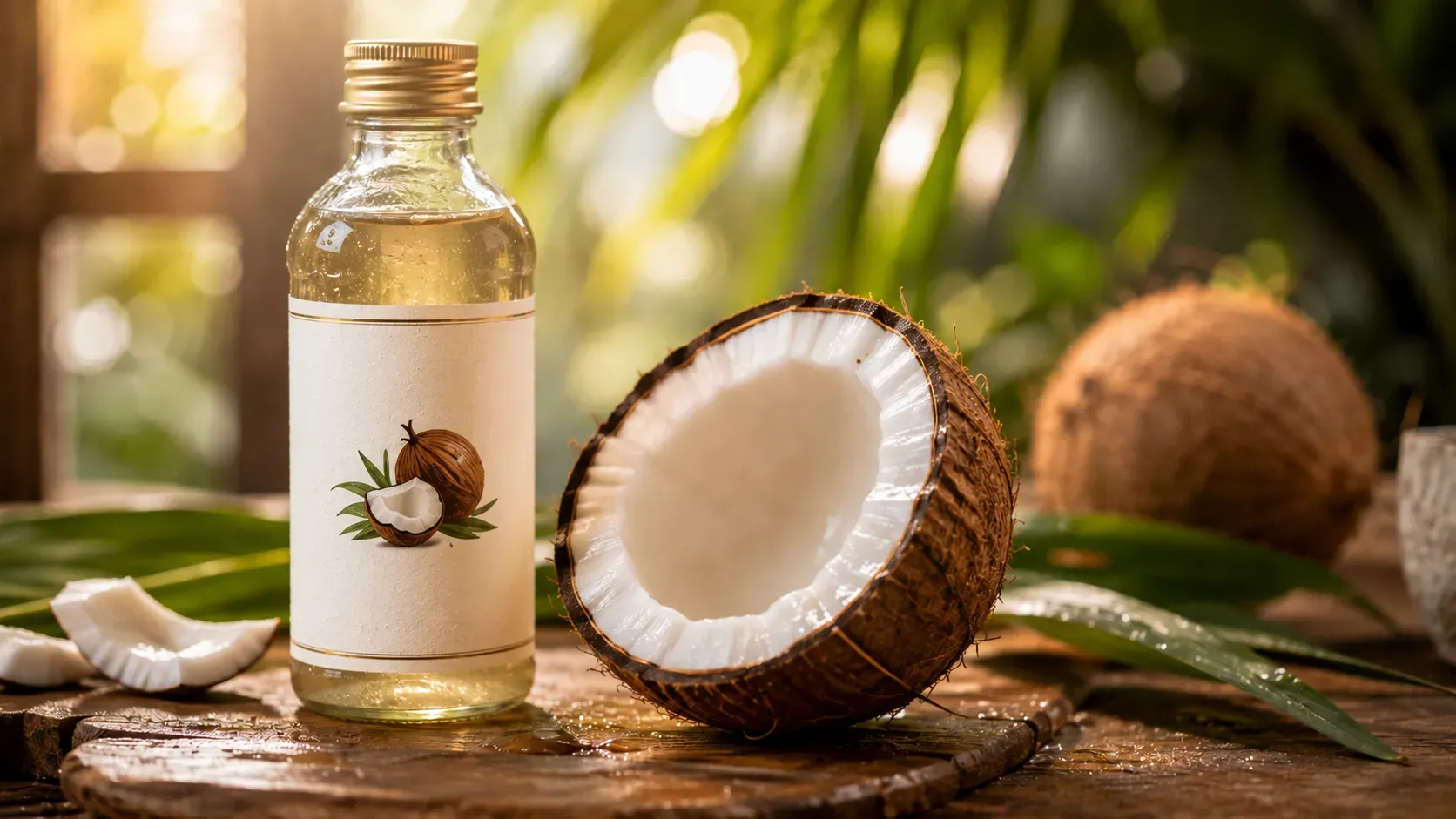
Coconut oil gets dismissed as "too simple" while imported oils get all the attention. But its molecular structure does something most trending oils simply can't. Here's the actual science behind why it's stayed relevant for centuries.
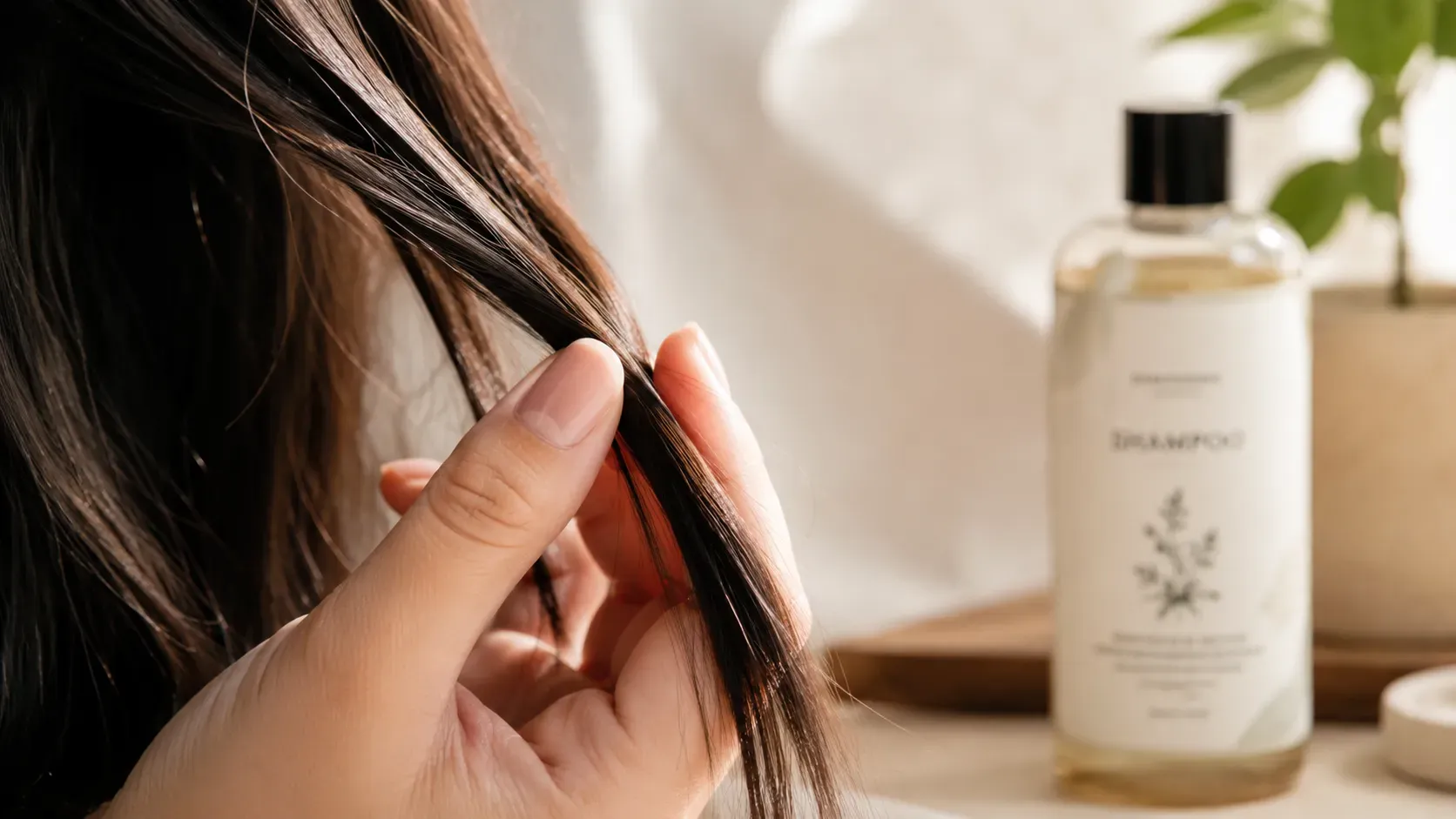
Every big hair care brand seems to be launching a protein shampoo this year. Before you switch, here's what protein actually does for hair, and more importantly, whether your hair type needs it at all.
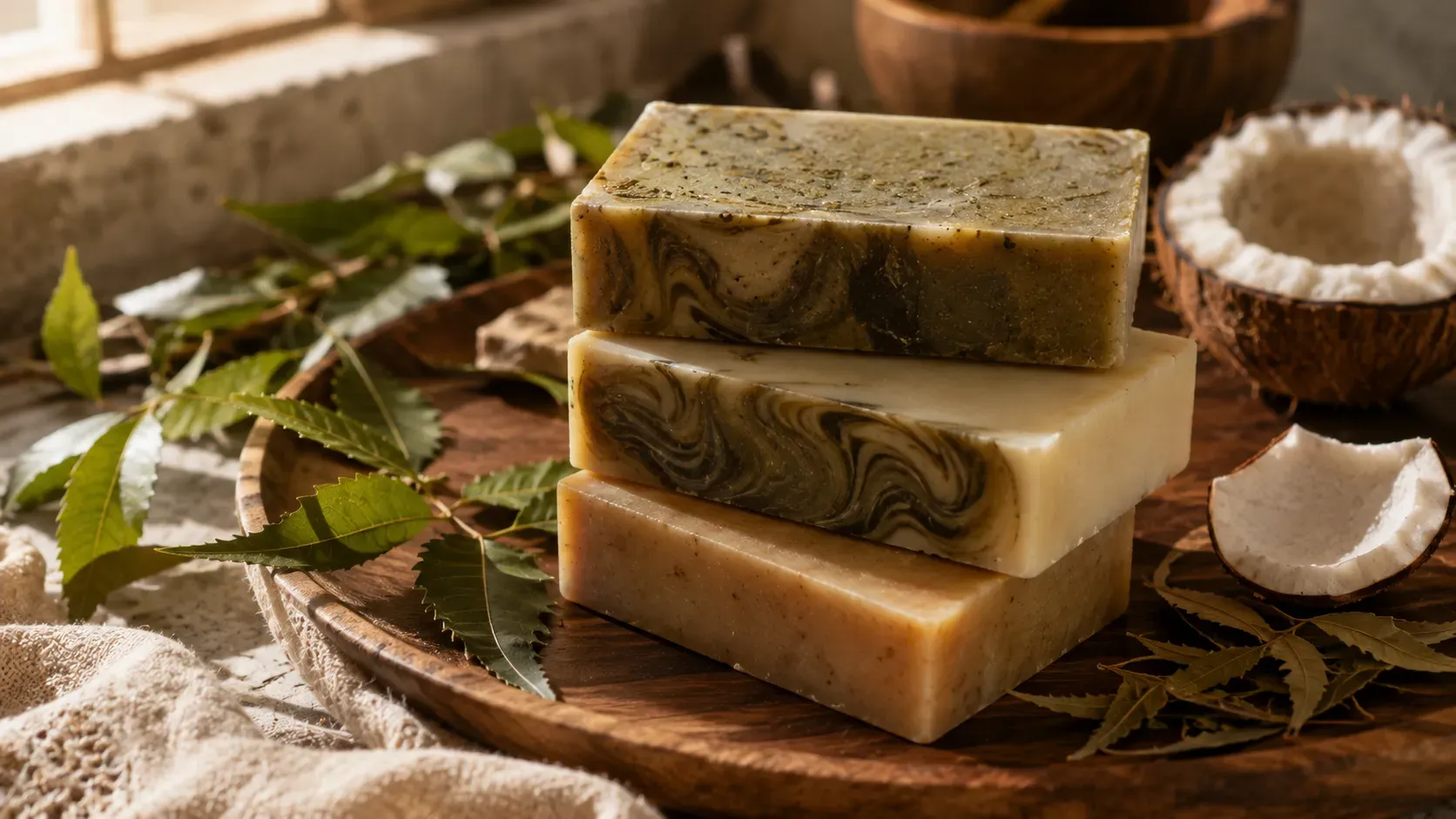
That "natural soap" trend isn't just marketing hype. Commercial soap manufacturing actually strips out a key ingredient your skin needs, and it explains why your skin feels tight and dry no matter how much lotion you apply after.
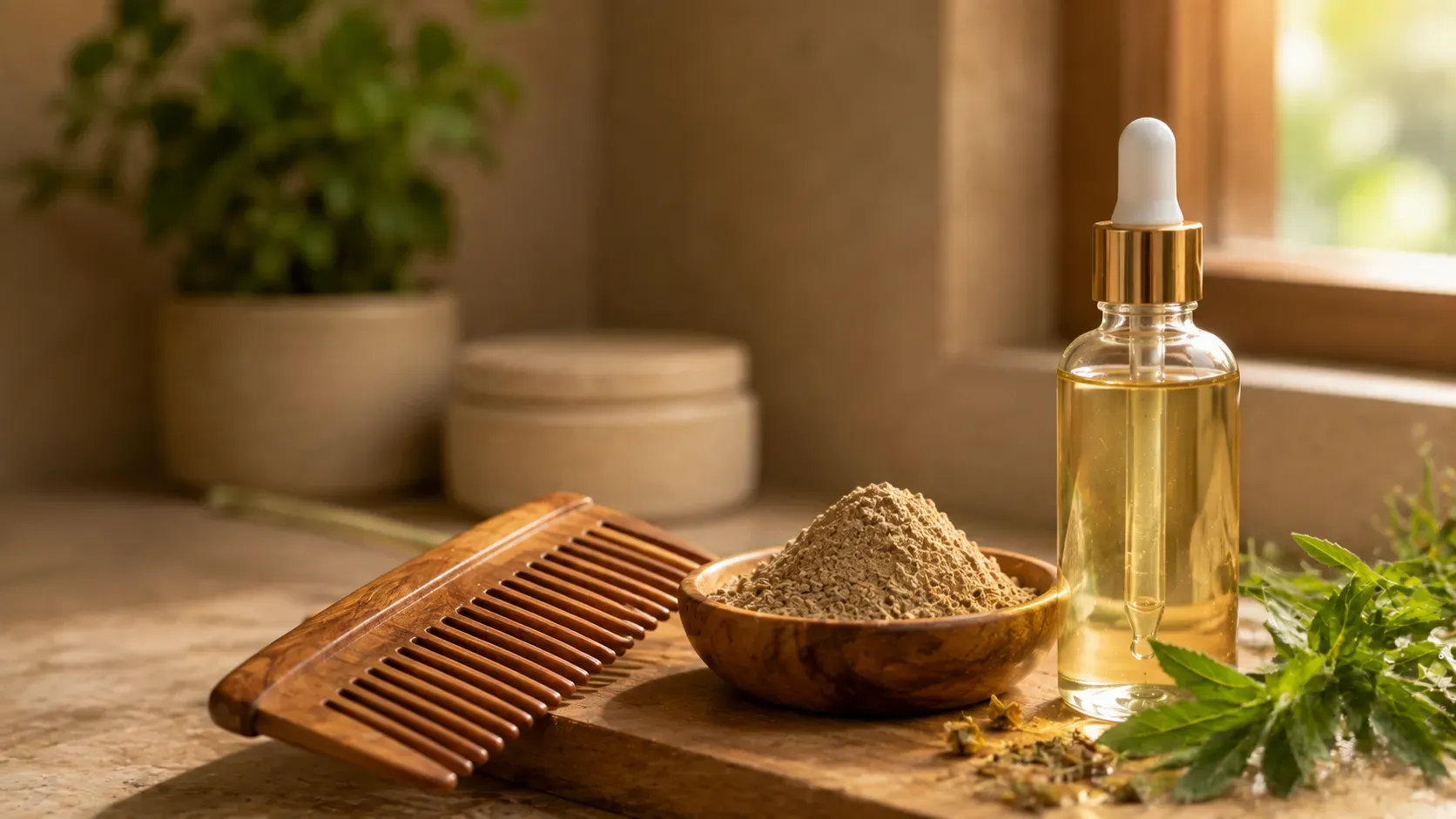
You've switched shampoos three times this year and your hair still feels flat and grows painfully slow. The problem probably isn't the product. It's what's sitting underneath it, buildup that regular washing never actually clears.

You don't need to spend a fortune to get real results from a face wash. What actually matters is whether the formula matches your skin type, not the number printed on the box. Here's how to tell the difference.
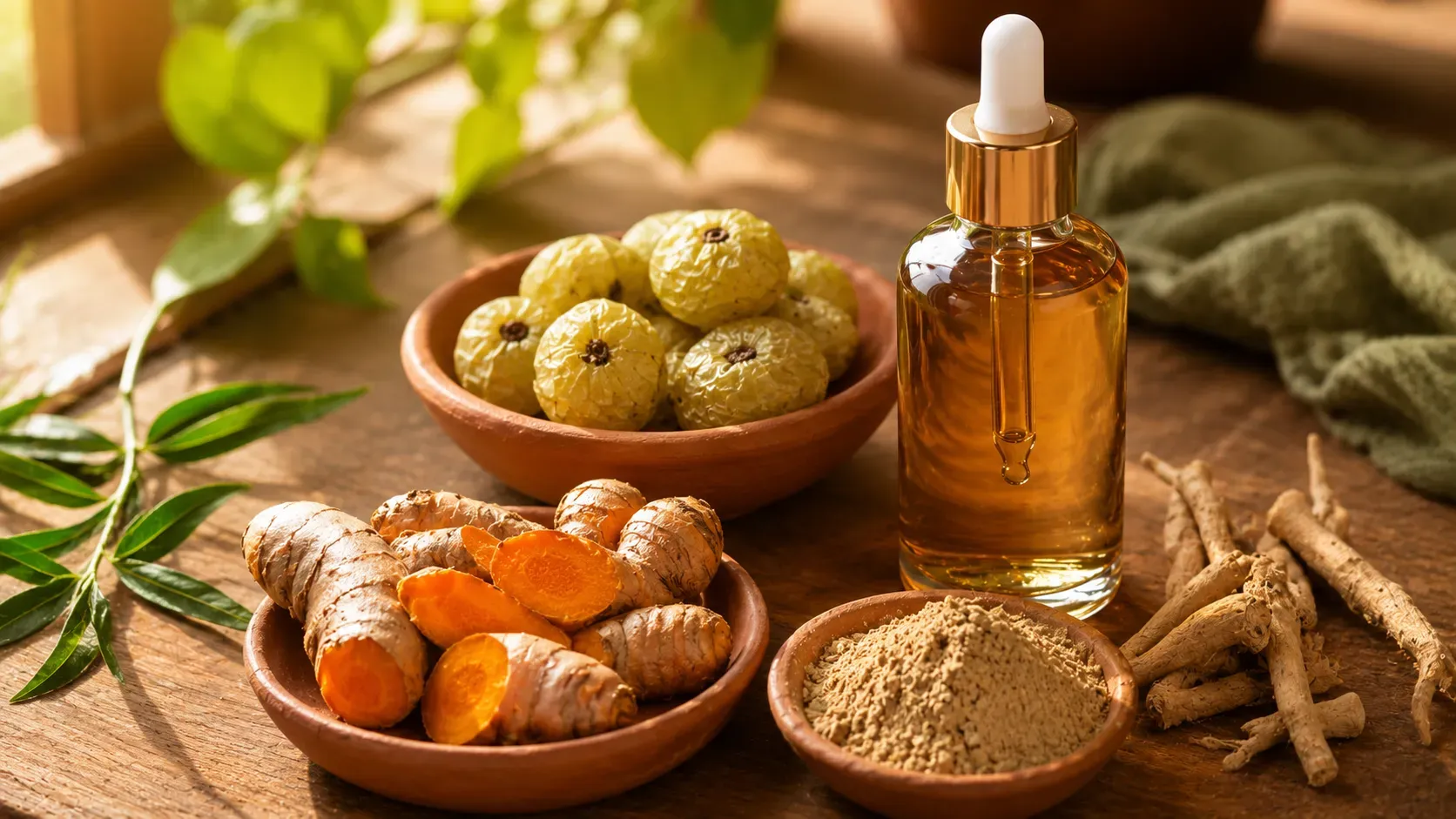
Amla, turmeric, and ashwagandha aren't just grandma's remedies anymore. Dermatologists and formulators are now studying them as legitimate active ingredients, backed by the same rigor as niacinamide or vitamin C. Here's what the research actually shows.