
Bakuchiol vs Retinol: Is the "Natural Alternative" Actually Just as Effective?
Bakuchiol vs Retinol: Is the "Natural Alternative" Actually Just as Effective?
Retinol has a bit of a reputation. Everyone agrees it works, and just as many people complain about the peeling, redness, and sun sensitivity that comes along with it. Bakuchiol showed up as the gentler alternative, and skincare shelves have been filling up with it ever since. But is it a genuine substitute, or just a softer product riding on retinol's credibility?
What Retinol Actually Does
Retinol is a vitamin A derivative that speeds up cell turnover and boosts collagen production, which is why it's so effective against fine lines, texture, and acne. The catch is that this same mechanism often causes dryness, peeling, and increased sun sensitivity, especially in the first few weeks of use, a phase often called retinization.
What Bakuchiol Actually Is
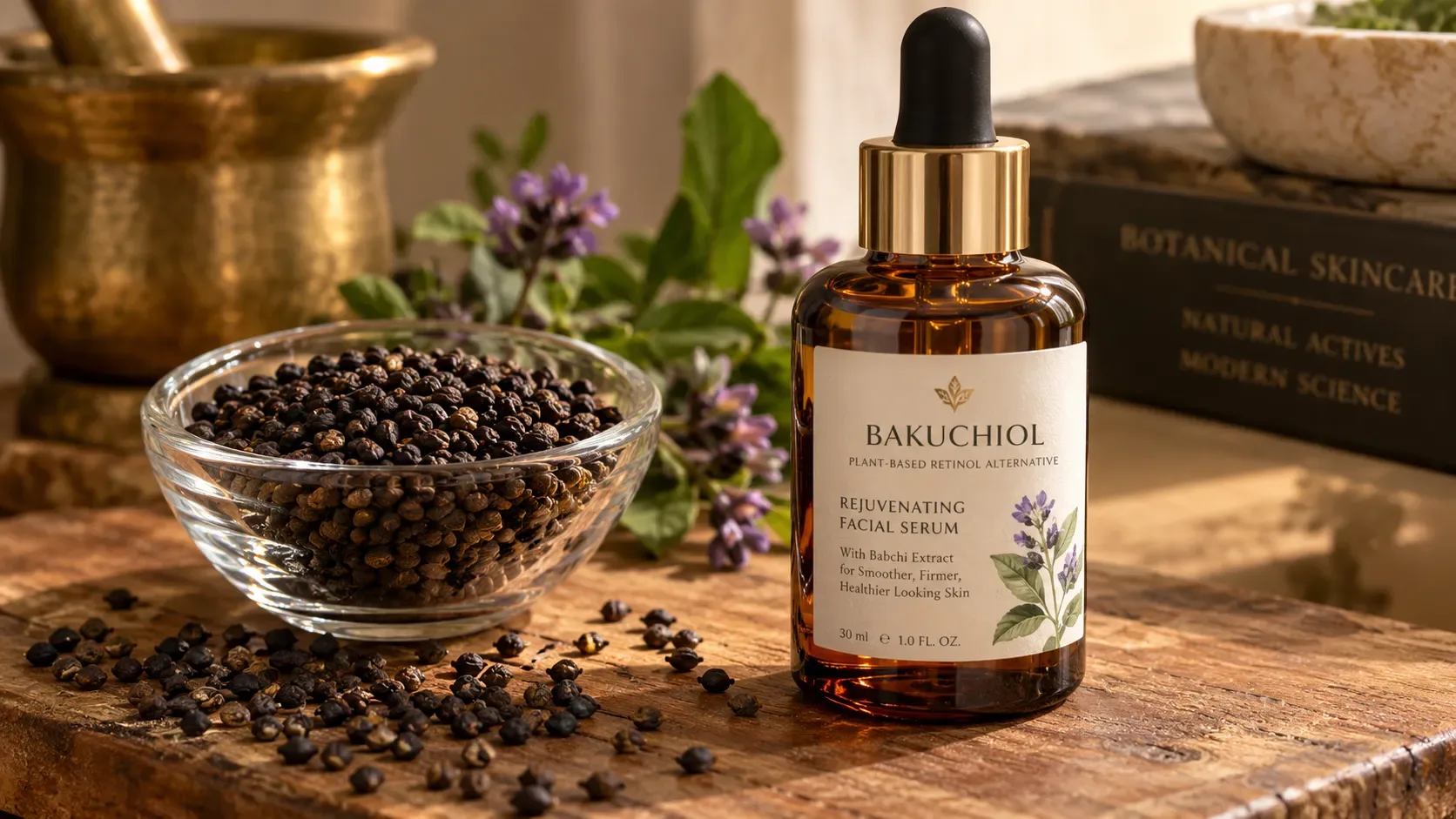
Bakuchiol comes from the seeds of the babchi plant, which, notably, has actually been used in Ayurvedic medicine for skin conditions for a long time, well before it became a trending skincare ingredient in the West. Research comparing it to retinol has found it can deliver similar improvements in fine lines and skin texture, with significantly less irritation reported.
How They Actually Compare
- Effectiveness. Bakuchiol shows genuinely comparable results to retinol for fine lines and texture in existing studies, though the research base is still smaller than retinol's decades of data.
- Irritation. This is where bakuchiol clearly wins. Far less redness, peeling, and sensitivity reported, making it more suitable for sensitive or reactive skin.
- Sun sensitivity. Retinol requires strict sun protection and typically nighttime-only use. Bakuchiol doesn't carry the same photosensitivity concern, though sunscreen remains essential regardless.
- Speed of results. Retinol tends to show visible changes faster for some concerns, particularly acne, while bakuchiol's benefits build more gradually.
The Ayurvedic Perspective: Babchi Has a Long History Here
Babchi, or Bakuchi, has been used in Ayurvedic formulations for skin conditions for generations, valued for its ability to support skin renewal without the aggressive irritation associated with harsher treatments. This isn't a case of Ayurveda catching up to a Western trend. It's closer to the opposite, a traditional ingredient finally getting scientific validation for what practitioners have used it for all along.
Who Should Choose Which
- Choose retinol if you have resilient, non-sensitive skin and want the most researched, potent option available, and you're prepared to manage the adjustment period.
- Choose bakuchiol if you have sensitive, reactive skin, are pregnant or breastfeeding (where retinol is typically avoided), or simply want a gentler entry point into anti-aging actives.
Our Skin Care range includes bakuchiol-based formulations designed to deliver renewal benefits gently, a suitable option if retinol has been too harsh on your skin in the past.
Not a Downgrade, Just a Different Approach
Bakuchiol isn't a weaker, watered-down version of retinol. It's a genuinely different route to similar results, with a much easier adjustment period. For sensitive skin especially, it's less a compromise and more simply the smarter choice.
Top Posts


Popular Terms
Leave a Response
Your email address will not be published. Required fields are marked *