
Haircare Isn't About Your Strands Anymore. It's About Your Scalp Ecosystem
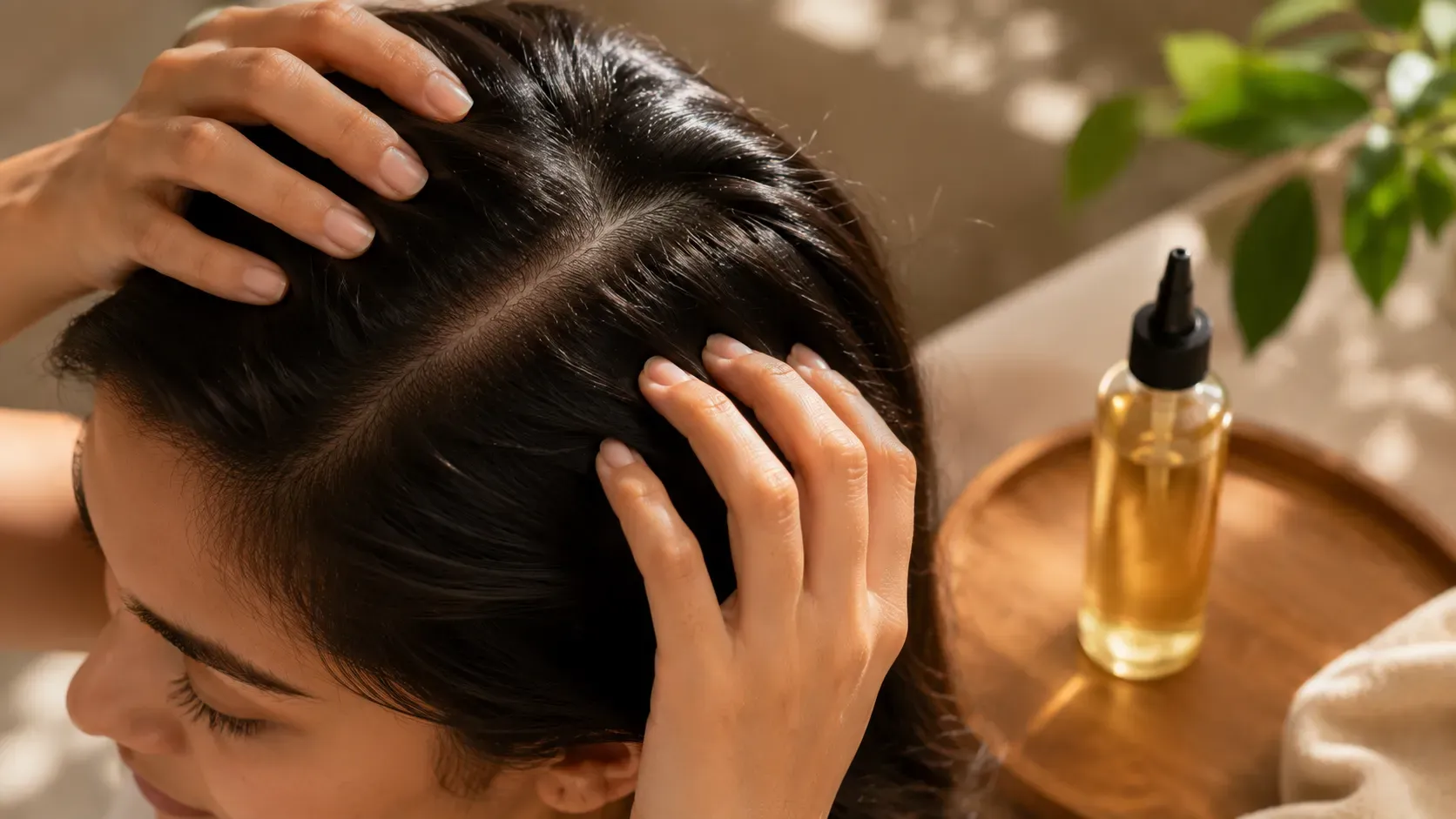
Haircare Isn't About Your Strands Anymore. It's About Your Scalp Ecosystem
For most of your life, haircare probably meant one thing: taking care of the hair itself. Shinier strands, less frizz, smoother ends. The scalp was just the place hair happened to grow out of, rarely the actual focus.
That thinking is being replaced, and fast. The single biggest shift defining haircare right now is a move away from treating strands and toward treating the scalp as its own living ecosystem, something with a microbiome, a biology, and needs of its own.
Why the Shift Is Happening
Haircare is being fundamentally repositioned as scalp care rather than fiber care, moving from the cosmetic treatment of strands to the biological care of the scalp ecosystem. That's a meaningful distinction, not just rebranding. Fiber care asks "how do I make this hair look better." Scalp ecosystem care asks "how do I keep the environment this hair grows from actually healthy."
- The scalp has its own microbiome, a balance of bacteria and yeast that, when disrupted, contributes to dandruff, irritation, and even hair thinning
- Demand is rising sharply for scalp serums, pre-shampoo treatments, and detox masks, categories that barely existed as mainstream products a few years ago
- Most shelves are still stocked with basic anti-dandruff shampoos, a real gap between what people are searching for and what's actually available to buy
- Live search data now ranks scalp care and hair repair among the fastest-growing haircare search categories of the year
In short, people have started asking better questions about their hair, and the market hasn't fully caught up to answering them yet.
The Ayurvedic Perspective: This Was Never a New Idea Here
If this feels like a genuinely new way of thinking about hair, it's worth noting that Ayurveda has approached hair this way for centuries. The scalp was always treated as the root of the system, quite literally, with oiling rituals, herbal powders, and massage techniques designed to nourish the scalp environment itself, not just coat the visible strand.
Bhringraj, amla, and neem weren't traditionally used because they made hair shinier on contact. They were used because they supported the scalp, the follicle, and the underlying tissue those strands actually grow from. Modern "scalp ecosystem" thinking is, in many ways, catching up to something Ayurveda treated as basic hair logic all along.
What This Actually Means for Your Routine
If you've been focused entirely on your strands, here's where to actually redirect some of that attention.
- Add a dedicated scalp step, separate from your shampoo. A pre-shampoo oil treatment or a weekly scalp mask does something your regular wash simply isn't designed to do.
- Pay attention to scalp balance, not just scalp cleanliness. An overly stripped scalp and an overly oily one can both signal an imbalanced microbiome. The goal isn't maximum cleanliness, it's the right balance.
- Treat scalp irritation or flaking as a signal, not a nuisance to mask. Persistent dandruff or itchiness usually points to something happening at the ecosystem level, not just a cosmetic annoyance to cover up with a stronger shampoo.
This shift also explains why so many people who "do everything right" for their hair, good products, regular oiling, decent diet, still don't see the results they expect. If the scalp itself isn't being addressed as its own system, the strand-focused effort on top of it can only do so much.
Our Hair Care range is built around exactly this scalp-first philosophy, Ayurvedic actives formulated to support the scalp ecosystem itself, not just polish the hair growing out of it.
Your hair was never really the starting point. It was always just the visible result of what was happening underneath it, and the industry is finally catching up to that.
Top Posts


Popular Terms
Leave a Response
Your email address will not be published. Required fields are marked *