
Face Wash pH Levels: Why It Matters More Than the Ingredients List
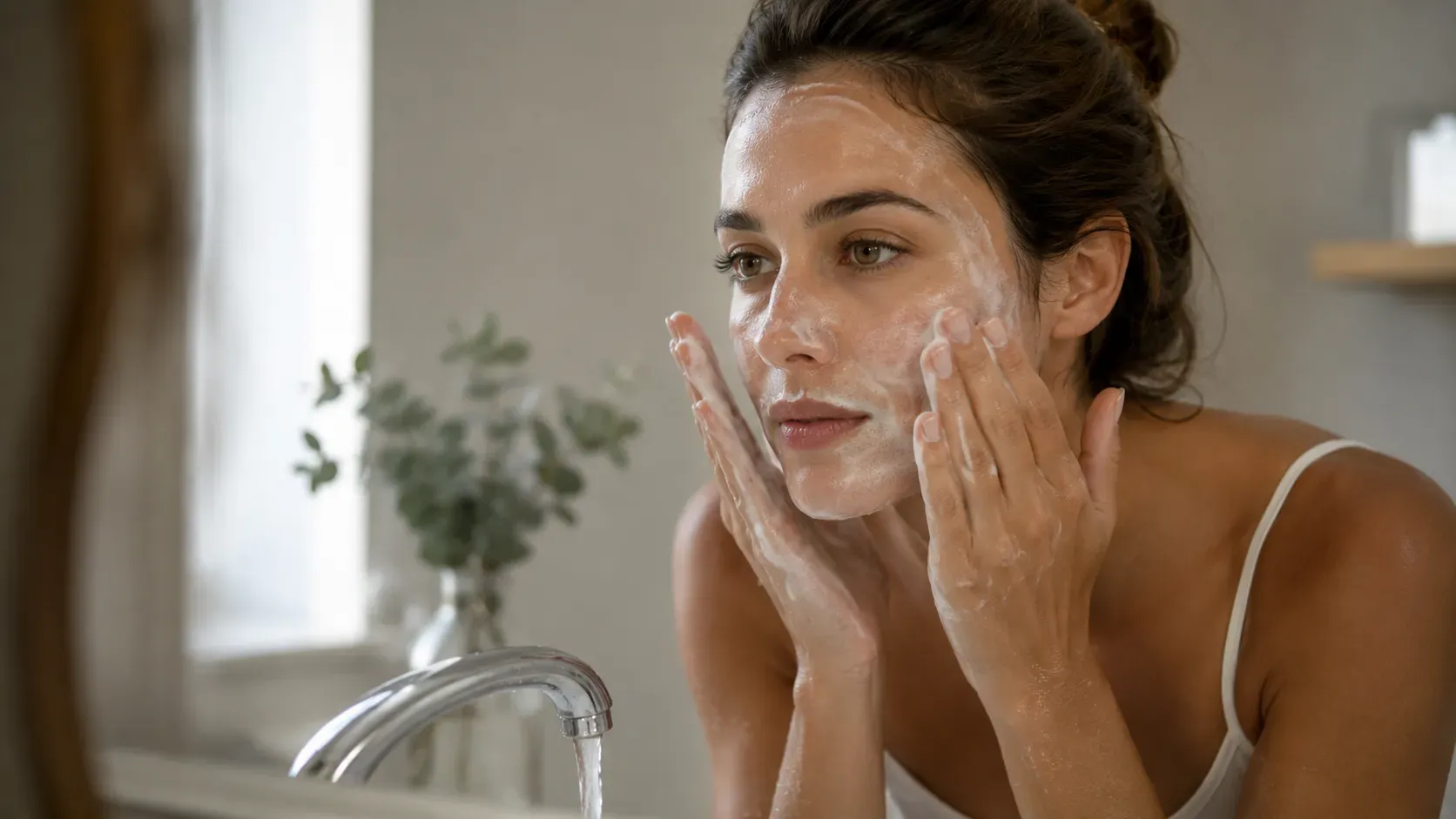
Face Wash pH Levels: Why It Matters More Than the Ingredients List
Natural, organic, chemical-free, the labels pile up, and still your skin feels tight and irritated an hour after washing. You've checked ingredients, avoided sulfates, gone fragrance-free. There's one factor most people never think to check at all: pH.
It sounds technical, and it kind of is, but understanding it changes how you shop for a face wash entirely.
What Skin pH Actually Is
Healthy skin sits at a slightly acidic pH, typically between 4.5 and 5.5. This acidity forms what's called the acid mantle, a thin protective layer that keeps moisture locked in and blocks harmful bacteria and pollutants from penetrating too deep.
Most standard soaps and many face washes sit at a much higher, more alkaline pH, sometimes as high as 9 or 10. Every time you wash with something that alkaline, you temporarily disrupt that acid mantle, and it takes hours for skin to rebalance back to its natural state.
Why This Actually Matters
Wash with a high-pH cleanser repeatedly, and your skin never fully recovers between washes. The barrier stays compromised, which shows up as tightness, increased sensitivity, more frequent breakouts, and ironically, sometimes more oil production as skin overcompensates for the disruption.
This is often why a face wash that "should" work, based purely on its ingredient list, still leaves skin feeling worse. The formula might be full of good actives, but if the base pH is too alkaline, it's undoing some of that benefit with every single use.
The Ayurvedic Perspective: Balance Over Aggression
Ayurveda has always emphasized gentle, balancing cleansing methods rather than harsh, stripping ones, and that philosophy lines up closely with modern pH science. A cleanser that respects the skin's natural acidity supports balanced Pitta and Kapha at the skin level, rather than aggravating them through repeated barrier disruption.
Traditional Ayurvedic cleansing often favored gentler bases, herbal powders, mild formulations, over harsh detergents. Modern pH-balanced face washes are, in many ways, a scientific validation of that same instinct toward gentleness.
How to Check If Your Face Wash Is the Problem
- Does your skin feel tight or squeaky clean immediately after washing? That's often a sign of a high-pH formula stripping natural oils.
- Does redness or sensitivity show up specifically after cleansing, rather than throughout the day? Same likely culprit.
- Some brands list pH directly on packaging or their website. Look for anything labeled "pH-balanced" or in the 4.5 to 5.5 range specifically.
What to Look For Instead
- Choose formulas labeled pH-balanced or low-pH. This single detail matters more than most active ingredients on the label.
- Avoid bar soaps for the face entirely. Traditional soap is almost always highly alkaline, regardless of how "natural" the marketing sounds.
- Give your skin two weeks after switching. The acid mantle needs time to rebuild after prolonged disruption from a mismatched cleanser.
A Small Detail With a Big Effect
pH isn't something most people think to check, and it's rarely the headline feature marketed on packaging. But it quietly determines whether your face wash is working with your skin barrier or slowly working against it, every single day.
Explore our Skin Care collection for gentle, pH-balanced formulations built to support your skin barrier, not strip it.
Top Posts



Popular Terms
Leave a Response
Your email address will not be published. Required fields are marked *