
Dandruff vs Dry Scalp: Two Different Problems, Two Different Fixes
Dandruff vs Dry Scalp: Two Different Problems, Two Different Fixes
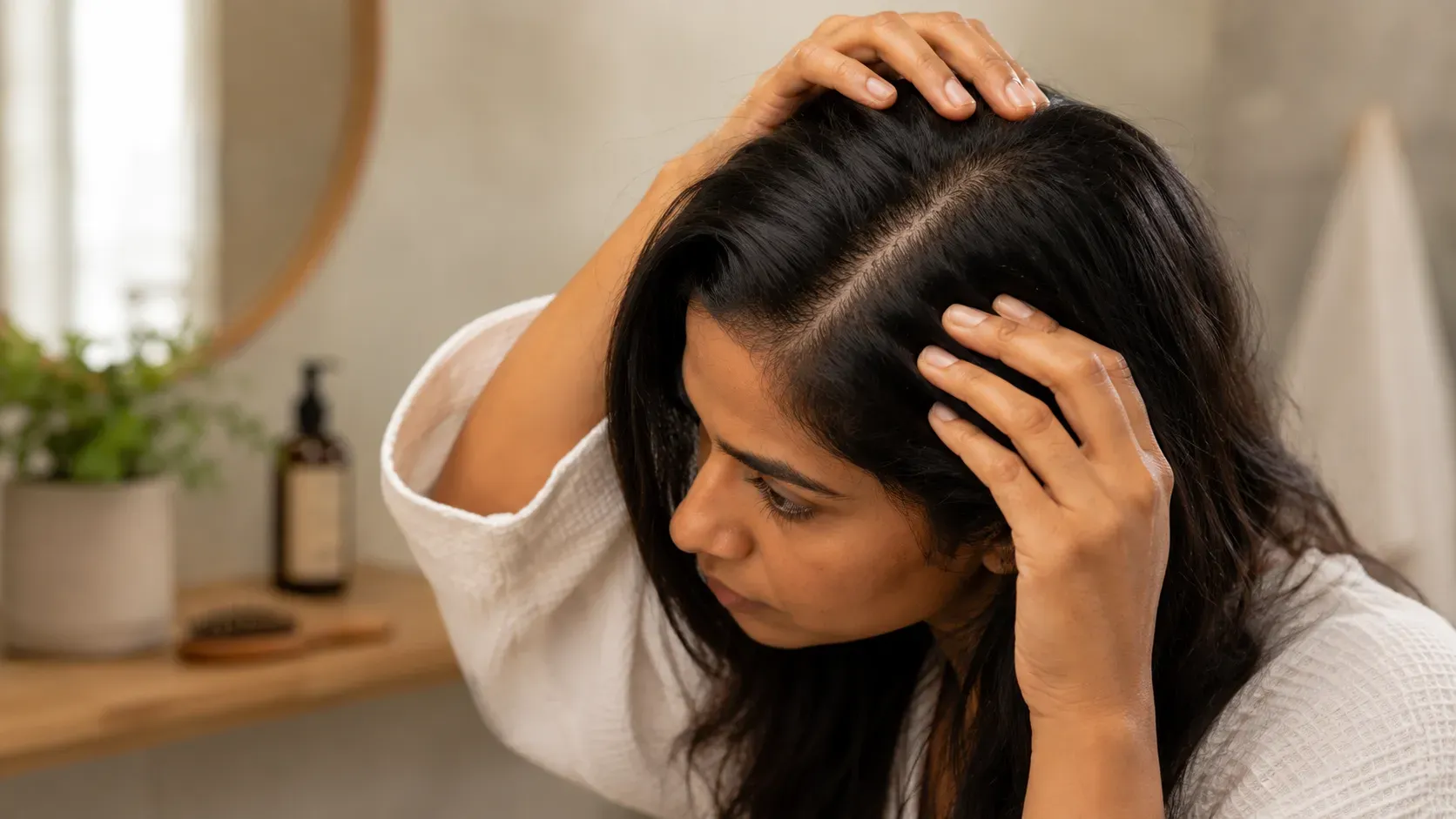
You've been using an anti-dandruff shampoo for weeks. The flaking hasn't stopped. If anything, your scalp feels tighter and itchier than before you started. That's not a sign you need a stronger product. It's often a sign you're treating dry scalp with a dandruff solution, and the two need almost opposite approaches.
What Dandruff Actually Is
Dandruff is typically linked to an overgrowth of a yeast called Malassezia, which lives naturally on everyone's scalp but can multiply excessively in some people, triggering irritation and faster skin cell turnover. This results in flakes that are usually larger, oilier, and yellowish, often accompanied by a scalp that feels greasy rather than tight.
Dandruff tends to worsen with heat, stress, and infrequent washing, since all three encourage yeast overgrowth.
What Dry Scalp Actually Is
Dry scalp, on the other hand, is simply a lack of adequate moisture and natural oil production. The flakes here tend to be smaller, drier, and whiter, and the scalp itself usually feels tight, sometimes accompanied by mild redness, rather than oily.
Dry scalp often worsens with over-washing, harsh sulfate shampoos, cold weather, or excessive use of drying products like alcohol-based sprays.
The Quick Test
- Touch test: Run a finger across your scalp. Oily and slightly greasy under the flakes points to dandruff. Tight and rough points to dryness.
- Flake size: Larger, clumped flakes suggest dandruff. Fine, powdery flakes suggest dryness.
- Itch pattern: Dandruff itch tends to come with a mild burning or irritated feeling. Dry scalp itch feels more like tightness, similar to dry skin elsewhere on your body.
The Ayurvedic Perspective: Kapha Excess vs Vata Depletion
Ayurveda draws a clear line between these two conditions. Dandruff is generally associated with aggravated Kapha combined with some Pitta, excess oil and heat creating the exact environment yeast thrives in. Dry scalp, in contrast, is a textbook Vata imbalance, characterized by dryness, roughness, and depleted natural lubrication.
This is precisely why using the same product for both often backfires. A strong, stripping anti-dandruff shampoo calms Kapha-driven oiliness but can seriously worsen Vata-driven dryness if your actual issue is the latter.
Fixing Dandruff
- Use a shampoo with anti-fungal properties, applied consistently two to three times a week, not daily.
- Avoid heavy, oily hair products that feed the yeast environment.
- Manage stress and sleep, both of which are known to trigger flare-ups.
Fixing Dry Scalp
- Cut back to washing two to three times a week maximum, using a sulfate-free, gentle shampoo.
- Apply a warm, nourishing oil treatment weekly, left on for at least 30 minutes before washing.
- Avoid hot water on the scalp, which strips moisture further. Lukewarm water is gentler.
When the Line Gets Blurry
Some people genuinely experience both at once, an oily scalp with dry, flaky ends of the same flakes, which makes self-diagnosis harder. In that case, a dermatologist visit is worth it before committing to either routine long-term.
Getting the diagnosis right saves you months of using the wrong product. Explore our Hair Care collection for scalp treatments suited to your specific concern.
Top Posts


Popular Terms
Leave a Response
Your email address will not be published. Required fields are marked *