
Pigmentation vs Tanning: Why Your Dark Spots Aren't Going Away
Pigmentation vs Tanning: Why Your Dark Spots Aren't Going Away
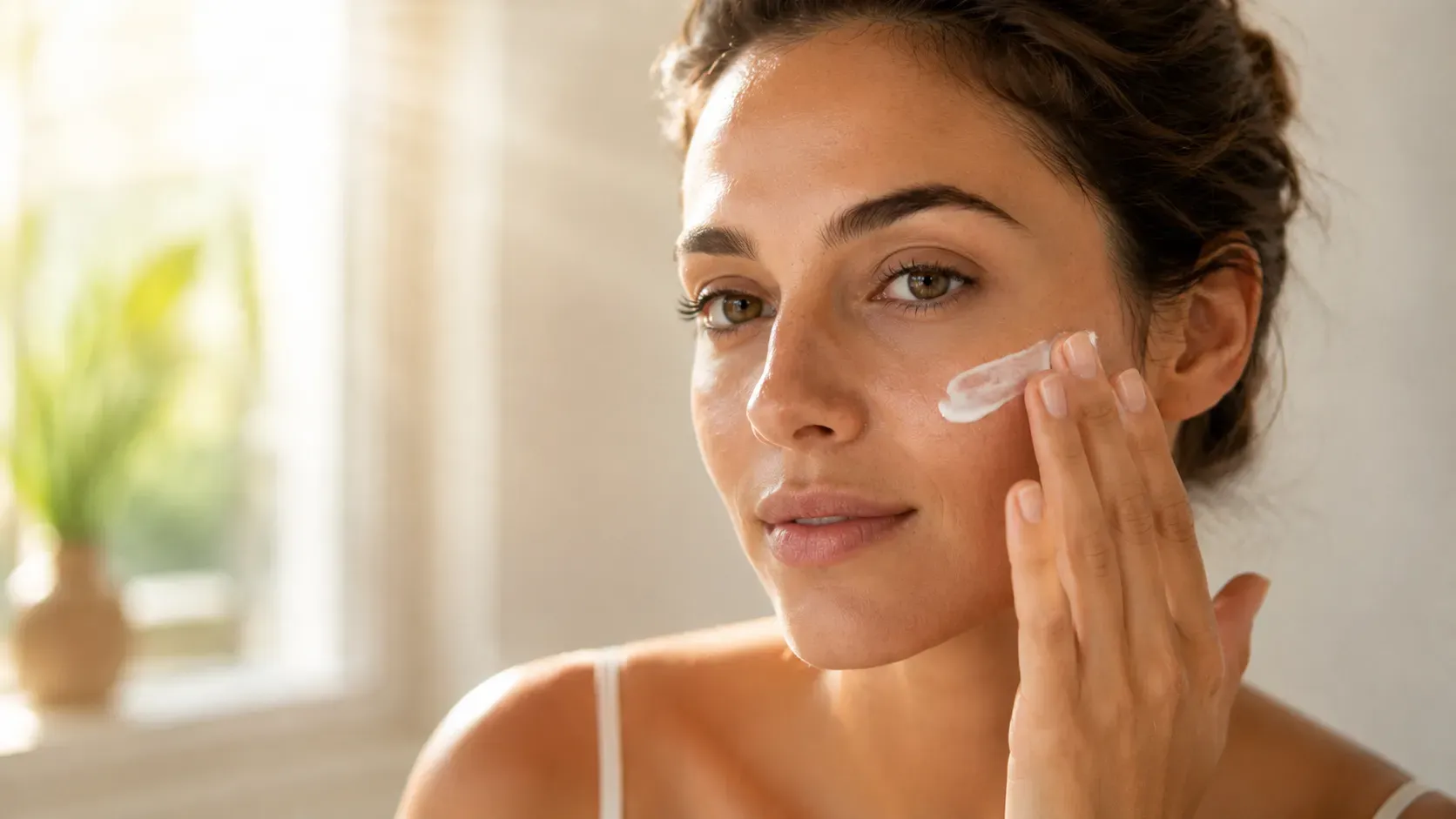
Months of tan-removal packs, scrubs, and de-tan face washes, and that dark patch on your cheek hasn't budged. Meanwhile, the actual tan on your arms faded within a couple of weeks of staying out of the sun. If that sounds familiar, you might be treating pigmentation like a tan, and the two respond to completely different things.
What Tanning Actually Is
Tanning is your skin's natural, temporary response to UV exposure. Skin cells produce extra melanin as a protective reaction to sun exposure, which darkens the outer skin layer. This is superficial and, importantly, temporary. Left alone, without further sun exposure, a tan fades naturally as skin cells turn over, usually within two to four weeks.
What Pigmentation Actually Is
Pigmentation, particularly the kind that shows up as stubborn dark patches or spots, involves melanin production issues that go deeper than a surface tan. This can result from prolonged sun damage over years, hormonal changes, post-acne inflammation, or genetic predisposition, and it settles into the skin far more persistently than a simple tan.
Unlike a tan, pigmentation doesn't fade on its own within weeks. It can linger for months or even years without targeted treatment, and it often gets mistaken for "stubborn tan" simply because it looks similar at first glance.
How to Actually Tell Them Apart
- Shape and pattern: Tanning is usually even and follows sun-exposed areas broadly. Pigmentation often appears as distinct patches, spots, or patterns, like a mask-like pattern across cheeks (melasma) or spots concentrated where old acne used to be.
- Timeline: Tan fades within two to four weeks without further sun exposure. Pigmentation persists well beyond that, sometimes for months.
- Response to de-tan products: Tan responds visibly to basic scrubs and de-tan packs. Pigmentation barely shifts with the same products, because the melanin sits deeper than surface exfoliation can reach.
- Trigger pattern: If dark spots appeared after a specific event, pregnancy, an old breakout, a burn, that's a strong indicator of pigmentation rather than tanning.
The Ayurvedic Perspective: Surface Heat vs Deep Imbalance
Ayurveda views tanning as a temporary, surface-level aggravation of Pitta from external heat and sun exposure, which naturally settles once the trigger is removed. Pigmentation, by contrast, reflects a deeper, more chronic Pitta imbalance, often compounded by accumulated toxins, ama, that have settled into the skin tissue over time rather than sitting on the surface.
This is why pigmentation genuinely requires a different, more sustained approach. Surface cooling alone, which works well for tanning, isn't enough to shift something rooted deeper in the tissue.
What Actually Helps Each One
For tanning, gentle exfoliation, aloe vera, and consistent sunscreen use are usually enough to speed up natural fading. Nothing aggressive is needed since the skin resolves it on its own anyway.
For pigmentation, treatment needs to be more targeted and patient. Ingredients like vitamin C, niacinamide, and licorice extract help gradually fade melanin deposits over time, but realistically, visible improvement takes eight to twelve weeks of consistent use, not two.
Three Things That Actually Matter
- Daily sunscreen, without exception. This is non-negotiable for pigmentation specifically, since continued sun exposure actively worsens existing dark spots and can undo months of treatment progress.
- Be patient with pigmentation treatment. Anything promising visible fading within a week for genuine pigmentation is overselling what's realistically possible.
- Address the root cause where possible. Post-acne pigmentation improves faster once active breakouts are under control. Hormonal pigmentation may need a dermatologist's input alongside topical care.
Stop Wasting Time on the Wrong Fix
If a spot has stuck around for months despite de-tan treatments, it's very likely pigmentation, not tan, and it needs a different, more patient approach entirely.
Explore our Skin Care collection for products formulated to target pigmentation gently and consistently over time.
Top Posts


Popular Terms
Leave a Response
Your email address will not be published. Required fields are marked *