
Oily Skin vs Dehydrated Skin: Why They Look the Same But Aren't
Oily Skin vs Dehydrated Skin: Why They Look the Same But Aren't
You look in the mirror by midday, skin shining under the bathroom light, and reach for an oil-control face wash without a second thought. Makes sense, right? Except that shine might not mean what you think it means. Oily skin and dehydrated skin can look almost identical on the surface, and mixing them up is one of the most common reasons a skincare routine quietly stops working.
What Oily Skin Actually Means
Oily skin refers to overactive sebaceous glands producing more sebum than the skin needs. This is largely genetic and hormonal, and it shows up as visible shine, enlarged pores, and a tendency toward blackheads and breakouts, especially in the T-zone.
Oily skin is a skin type. It doesn't change day to day based on your routine, though it can be managed.
What Dehydrated Skin Actually Means
Dehydrated skin is different. It's a condition, not a type, and it means your skin lacks water, not necessarily oil. Ironically, dehydrated skin often produces more oil to compensate for the moisture deficit, which is exactly why it can look just as shiny as genuinely oily skin.
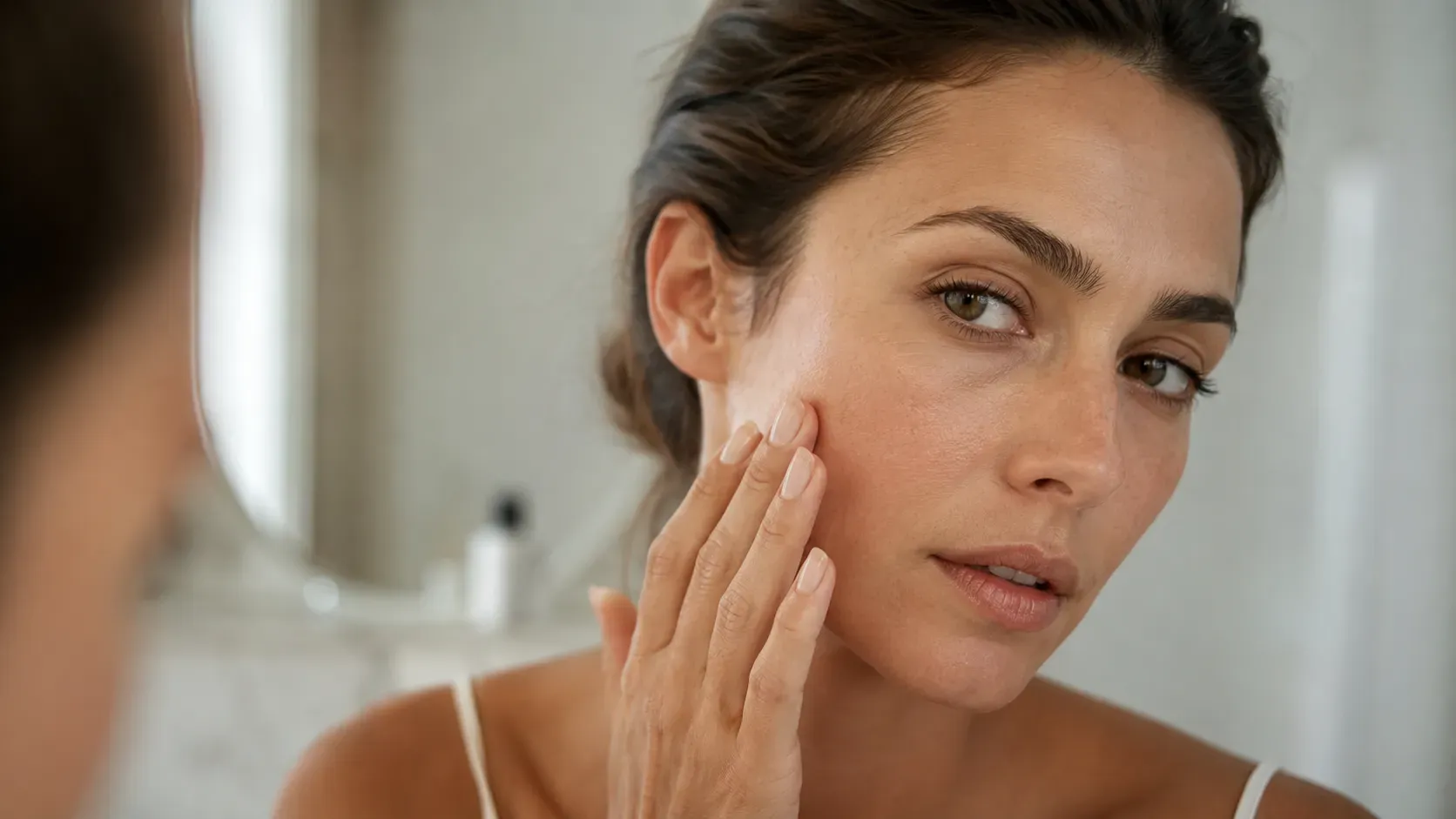
The giveaway is usually texture. Dehydrated skin often feels tight, looks dull rather than glowing, and may show fine lines that seem more pronounced than usual. Press a finger against your cheek. If it feels papery or slightly rough underneath the shine, that's dehydration talking, not excess oil.
The Quick Way to Tell Them Apart
- Oily skin looks shiny and feels shiny, with a slick texture across the whole face.
- Dehydrated skin looks shiny in patches but feels tight or rough when touched, particularly around the cheeks.
- Oily skin rarely flakes. Dehydrated skin often does, especially around the nose and jawline.
- Skin that improves with a lighter moisturizer is oily. Skin that improves with more hydration, not less, is dehydrated.
The Ayurvedic Perspective: Kapha Excess vs Vata Depletion
Ayurveda separates these two conditions clearly. Genuinely oily skin reflects excess Kapha, heaviness and overproduction that benefits from lighter, clarifying care. Dehydrated skin, even when it looks oily on the surface, points toward aggravated Vata underneath, dryness and imbalance that gets worse with harsh, stripping products.
This explains why so many people with dehydrated skin get stuck in a frustrating cycle. They treat the surface shine with oil-control products, which strips what little moisture remains, which triggers even more compensatory oil production. The Vata imbalance just deepens instead of resolving.
What Actually Helps Each One
For genuinely oily skin, a gentle foaming cleanser, oil-free moisturizer, and occasional clay treatments help manage excess sebum without over-stripping the skin barrier. Niacinamide-based products can help regulate oil production over time as well.
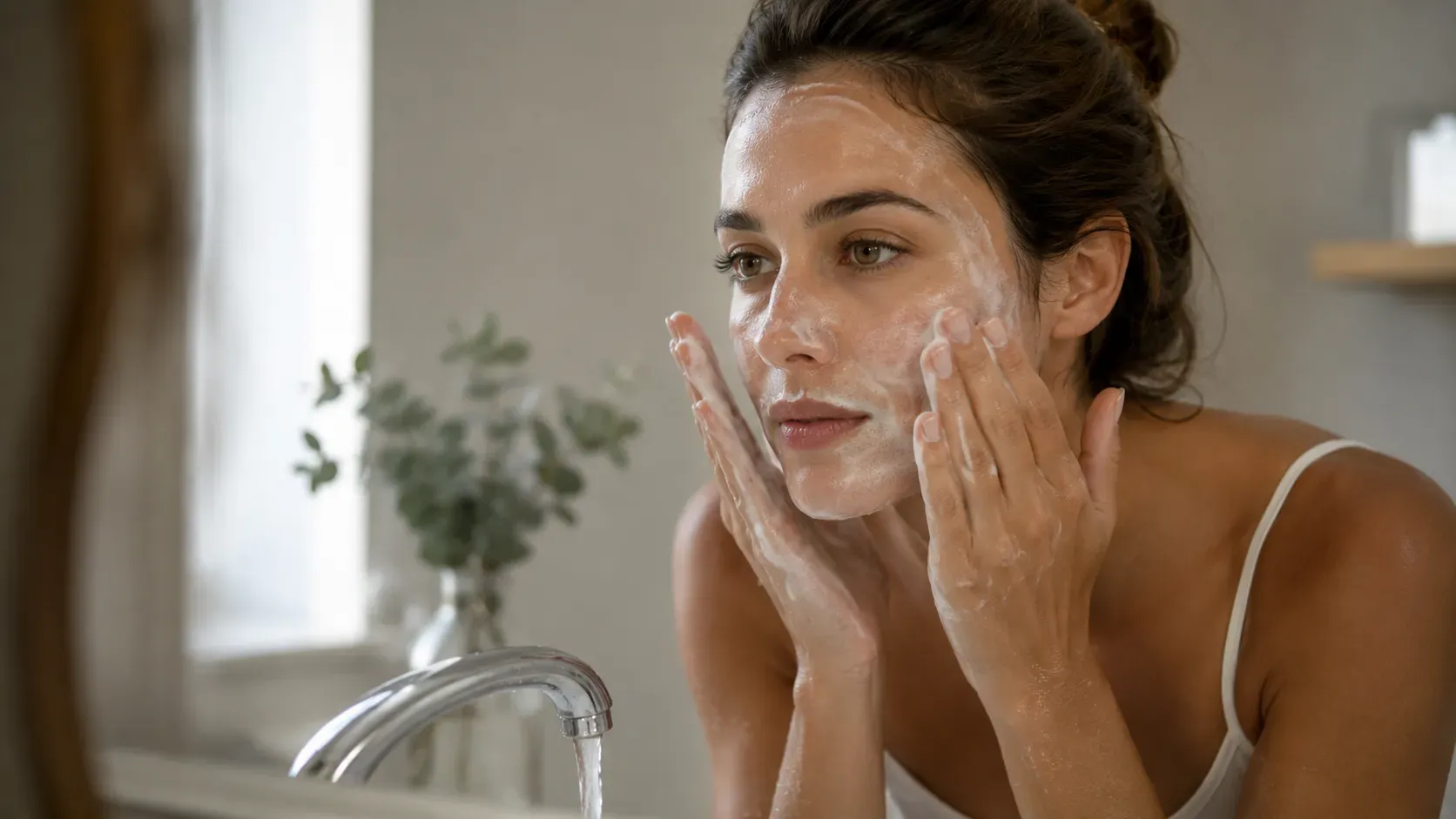
For dehydrated skin, the fix runs counter to instinct. Skip the harsh, oil-stripping products entirely. Use a gentle, hydrating cleanser, follow with a hyaluronic acid-based serum to draw moisture into the skin, and seal it with a lightweight moisturizer, even if your skin feels oily. Skipping moisturizer because skin looks shiny is one of the most common mistakes here, and it usually worsens the compensatory oil production rather than fixing it.
Three Things to Try This Week
- Switch to a gentle, hydrating cleanser for two weeks and note whether the tightness or roughness improves.
- Add a hydrating serum before moisturizer, even on days your skin looks shiny.
- Drink more water and reduce caffeine intake slightly. Internal hydration genuinely reflects on skin texture over time.
Getting the Diagnosis Right
Both conditions can coexist too, oily skin that's also dehydrated from over-treatment, which is more common than people realize. If you're unsure after trying these adjustments, a dermatologist consultation clears up any doubt quickly.
Explore our Skin Care collection for products suited to both oily and dehydrated skin concerns.
Top Posts


Popular Terms
Leave a Response
Your email address will not be published. Required fields are marked *