
Barrier Repair Isn't Just for Dry Skin. Oily Skin Needs It Too
Barrier Repair Isn't Just for Dry Skin. Oily Skin Needs It Too
"Barrier repair" sounds like something for dry, flaky skin. If your face leans oily or breaks out easily, it's tempting to walk right past that section of the routine, moisturizer included, assuming your skin has more than enough of its own oil already.
That assumption is probably working against you. Barrier repair matters just as much, sometimes more, for oily and acne-prone skin.
What the Skin Barrier Actually Does
Your skin barrier is the outermost layer that keeps moisture in and irritants, bacteria, and pollution out. It doesn't care whether your skin type is oily or dry. Every skin type has one, and every skin type can damage it.
- A damaged barrier lets moisture escape faster than it should, called trans-epidermal water loss
- In response, oily skin often overproduces sebum to compensate for that lost moisture
- More sebum means more clogged pores, which means more breakouts, not fewer
- Harsh, stripping acne products (common for oily skin) are actually one of the biggest barrier damage triggers
So the products most people reach for to control oil and acne, strong astringents, frequent exfoliation, drying spot treatments, can end up damaging the barrier further and making the oiliness worse over time. It's a cycle that looks like it's working short-term and quietly backfires long-term.
Why This Trend Is Finally Correcting a Big Mistake
Barrier repair works even on oily and acne-prone skin, and that's exactly why dermatologists expect this focus to stick around rather than fade like other trends. It's not a niche, dry-skin-only category. It's foundational care that every skin type actually needs.
The old approach of "oily skin just needs to be stripped and controlled" is being replaced with something more accurate: oily skin needs to be balanced, not fought.
The Ayurvedic Perspective: Oiliness as Imbalance, Not Excess
Ayurveda has always viewed oily, acne-prone skin as a sign of imbalance rather than simply "too much" oil to be removed. Excess Kapha shows up as oiliness and congestion, while aggravated Pitta shows up as inflammation and breakouts. Both are addressed by restoring balance, not by aggressive stripping, which is remarkably close to what modern barrier-repair science is now confirming.
Traditional Ayurvedic formulations for oily skin have always paired lightweight oils with cooling, calming botanicals, working with the skin's natural function rather than against it.
How to Actually Add Barrier Repair Without Feeling Greasy
The concern most oily-skin readers have is valid: won't a barrier-repair moisturizer just make things worse? Not if you choose the right texture.
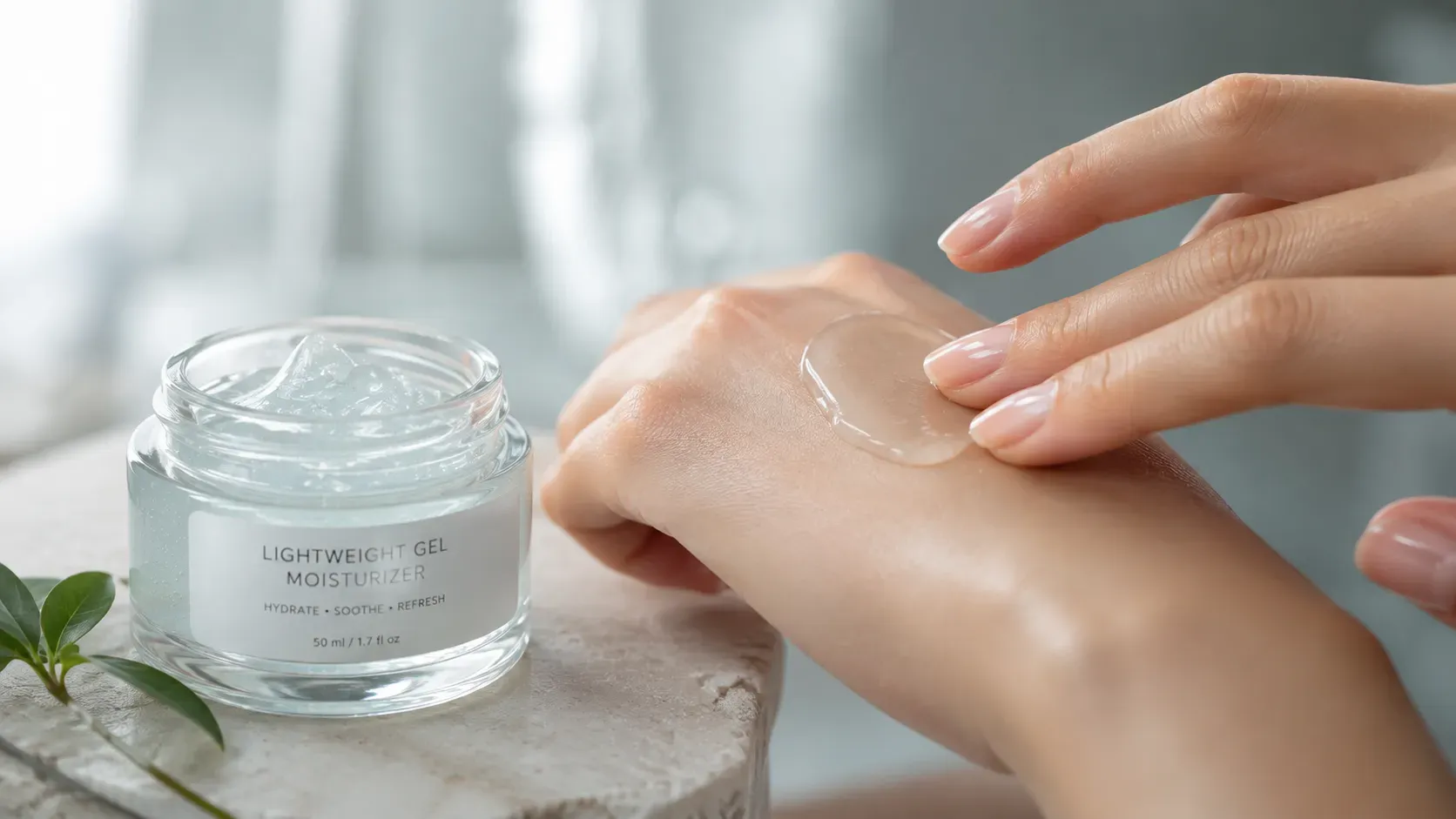
- Look for lightweight, gel-based moisturizers with ceramides or niacinamide. These repair the barrier without adding heavy occlusive oils that clog pores.
- Don't skip moisturizer after your acne treatment. Salicylic acid and benzoyl peroxide are drying by design; skipping moisturizer after using them accelerates barrier damage, not prevents it.
- Cut back on daily strong exfoliation. Two to three times a week is usually enough. Daily acids on already-compromised skin keep the barrier in a constant state of repair, never actually healing.
Give this shift about three to four weeks. Oily skin that's been over-stripped for a while takes some time to recalibrate its own oil production once the barrier starts recovering.
Our Skin Care range includes lightweight, non-comedogenic barrier-repair formulas built specifically with oily and acne-prone skin in mind, not just adapted from a dry-skin product.
Oily skin was never the enemy. A damaged barrier just made it look that way.
Top Posts



Popular Terms
Leave a Response
Your email address will not be published. Required fields are marked *