
Hard Water and Hair Fall: Is Your Bathroom Water the Hidden Culprit?
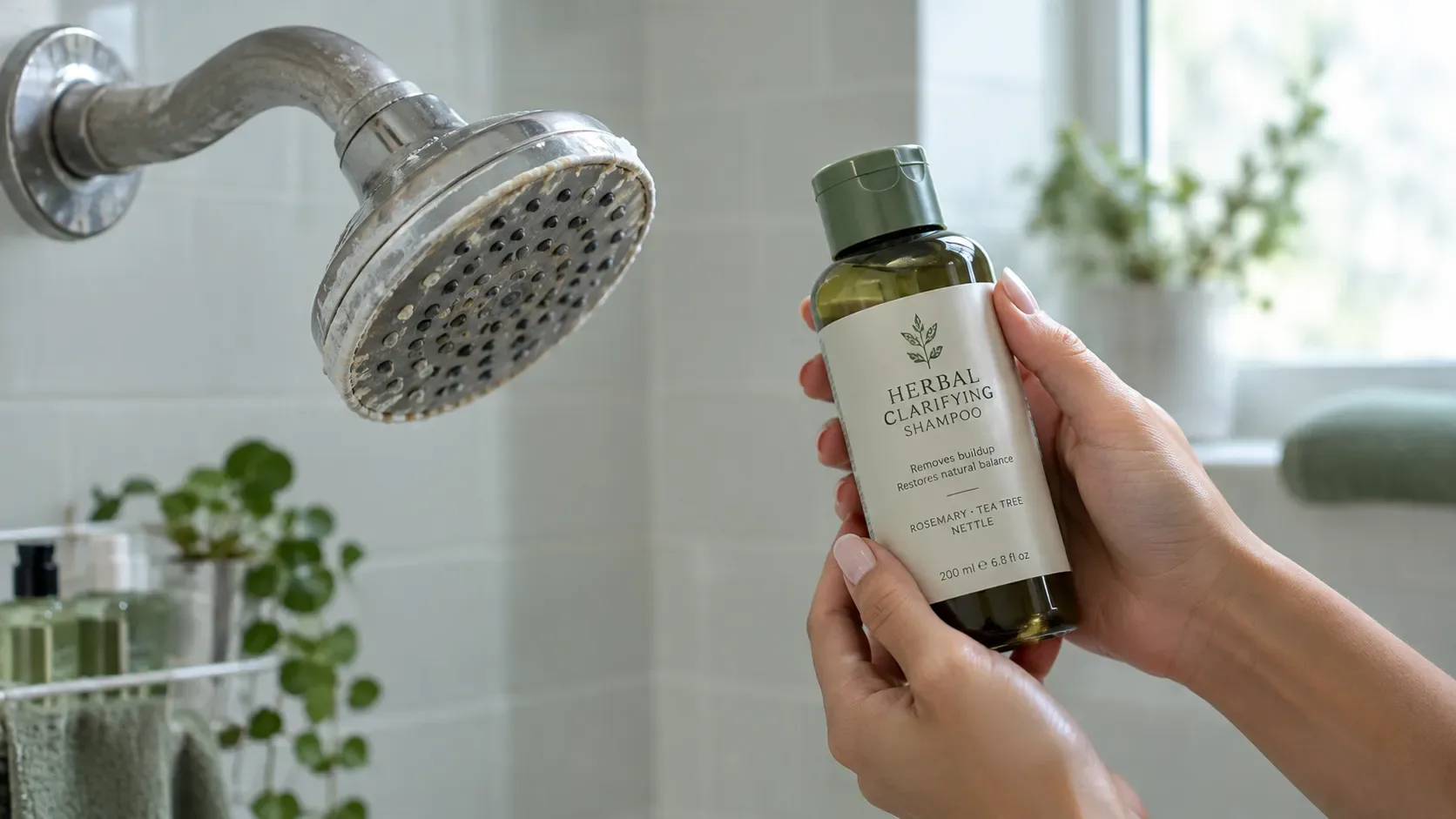
Hard Water and Hair Fall: Is Your Bathroom Water the Hidden Culprit?
Maybe you moved to a new city. Maybe you changed apartments. Same shampoo, same routine, but suddenly your hair feels rough, looks dull, and tangles like never before. You start noticing more strands in the brush and wonder what changed.
Often, the one thing that changed is the water coming out of your tap.
What Hard Water Actually Is
Hard water carries high levels of dissolved minerals, mainly calcium and magnesium. It's common across large parts of India, especially in cities that rely on borewell or groundwater. If you've noticed white scale on your taps or a film on your bathroom tiles, you're almost certainly dealing with hard water.
What It Does to Your Hair and Scalp
- Leaves mineral deposits on the hair shaft. This builds up over time, making hair feel rough, stiff, and heavy.
- Makes shampoo less effective. Minerals interfere with lather, so you may use more product and still not feel fully clean.
- Dulls shine and color. Buildup blocks light reflection, and colored hair tends to fade faster.
- Irritates the scalp. Residue can leave the scalp dry, itchy, or flaky, which may worsen dandruff-like symptoms.
Does Hard Water Actually Cause Hair Fall?
Here's the honest answer. Hard water doesn't usually attack the follicle directly. What it does is make hair more brittle and tangled, so it breaks more easily during washing and combing, and it can irritate the scalp in ways that make shedding look worse. For most people, the "hair fall" is largely breakage plus scalp irritation rather than roots dying off. That's actually good news, because it's very fixable.
The Ayurvedic Perspective: Clear the Buildup, Then Nourish
Ayurveda talks about Ama, accumulated residue that blocks the body's natural functioning. Mineral and product buildup on the scalp fits this idea closely. The traditional approach is to cleanse thoroughly with gentle herbal agents first, then nourish with oil, rather than layering treatments over a clogged scalp. Reetha and shikakai have long been used for this kind of gentle clarifying.
How to Fix It
- Install a shower filter. It's the most direct fix and reduces mineral exposure every single wash.
- Use a clarifying wash every one to two weeks. This clears accumulated minerals and product residue without needing to wash harshly every day.
- Finish with a mild acidic rinse. A well-diluted rinse, such as a tablespoon of apple cider vinegar in a mug of water, can help smooth the hair surface. Always dilute it and keep it away from your eyes.
- Do the final rinse with filtered or boiled-and-cooled water if possible. It's a small step that limits how many minerals are left sitting on your hair.
- Oil before washing. A light coat of oil creates a protective layer between your hair and the minerals in the water.
Our Hair Care range includes herbal cleansing and oiling products that work gently on a scalp dealing with buildup, a good fit if hard water is part of your routine.
Check Before You Blame the Water
If switching water makes no difference, or if shedding is heavy and sudden, look at other causes too, such as stress, diet, and hormones. But if your hair changed right when your water did, hard water is a very reasonable first suspect, and the fixes are simple enough to try right away.
Top Posts



Popular Terms
Leave a Response
Your email address will not be published. Required fields are marked *