
Slugging: Does Sealing Your Face With Balm Overnight Actually Work?
Slugging: Does Sealing Your Face With Balm Overnight Actually Work?
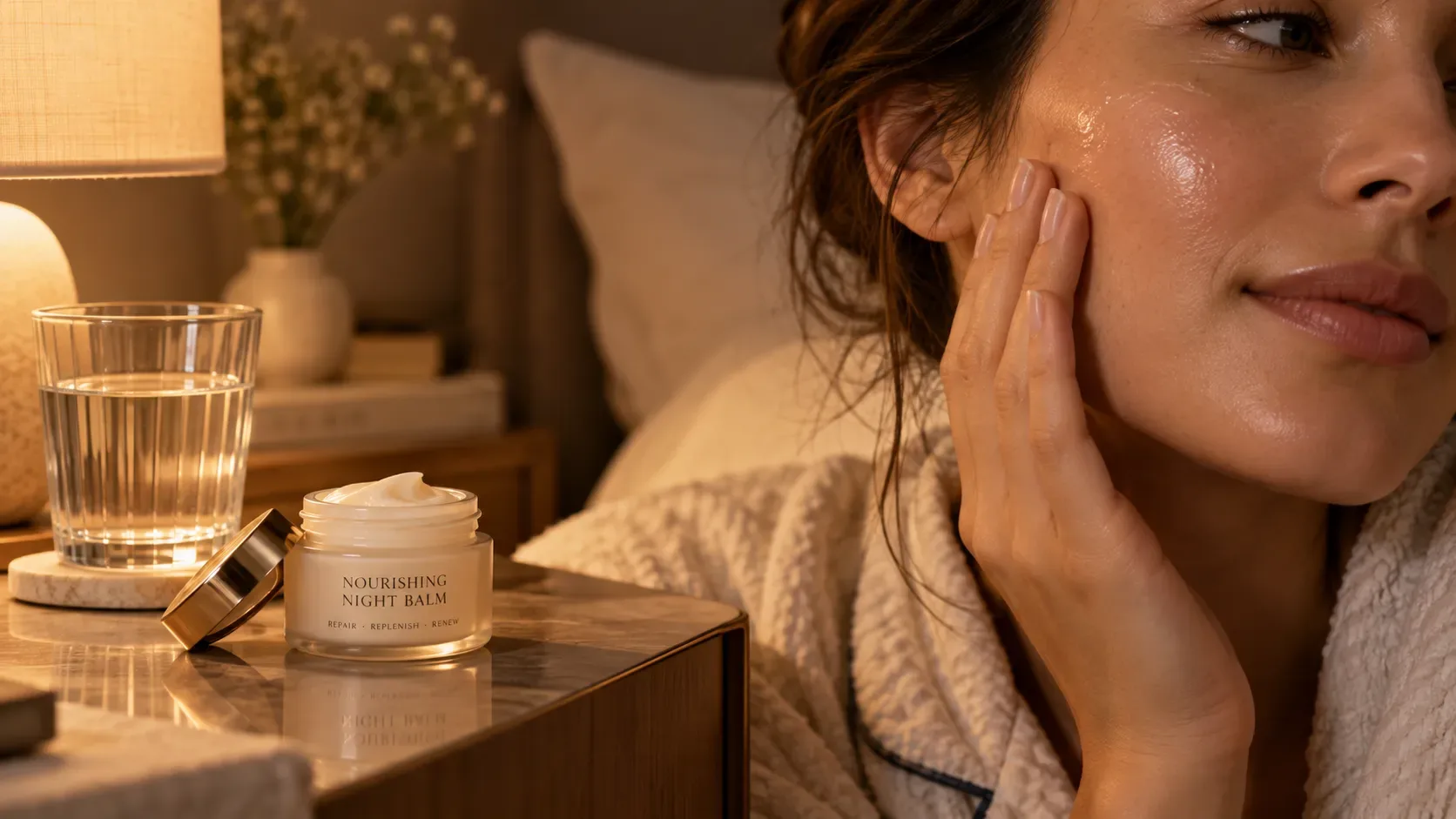
The idea sounds a bit strange the first time you hear it. Apply your regular skincare, then finish by smearing a thick layer of petroleum jelly or balm over your entire face before bed, essentially turning yourself into a shiny, slug-like version of yourself for the night. That's slugging, and it's had a persistent moment in skincare content for a while now.
But does it actually work, or is it one of those trends that looks satisfying on camera without doing much for your skin?
What Slugging Is Actually Meant to Do
The technique isn't about adding hydration directly. It's about sealing in whatever moisture and products you've already applied. A thick occlusive layer on top prevents water loss overnight, which is when skin does a lot of its natural repair work anyway. In theory, you wake up with noticeably softer, plumper skin because none of that overnight hydration escaped into the air.
Where It Genuinely Helps
- Very dry or dehydrated skin, especially during harsh winter months
- Skin recovering from a damaged barrier, where sealing in moisture supports healing
- Rough patches like elbows, heels, or cracked lips, where occlusives have long been standard practice
Where It Can Actually Backfire
- Oily or acne-prone skin. Trapping oil and sweat under an occlusive layer overnight, particularly in a humid climate, can trigger breakouts rather than prevent them.
- Humid weather. Slugging became popular in colder, drier climates. In a hot, humid Indian night, sealing your face can trap heat and sweat instead of helping.
- Using it every single night regardless of skin type. Occlusion isn't something every skin type needs daily, and overuse can actually interfere with the skin's own barrier function over time.
The Ayurvedic Perspective: Sealing Moisture Has Always Been Part of the Routine
The underlying idea behind slugging isn't new to Ayurveda at all. Applying a final layer of oil after moisturizing, particularly at night, has long been part of traditional skin care, meant to lock in hydration and support overnight repair. The difference is that Ayurveda has always been climate-conscious about it, recommending lighter oils like almond or a thin layer of ghee in humid conditions, rather than a single, universal thick occlusive for everyone regardless of weather or skin type.
How to Try It Sensibly
- Skip it if you're oily or acne-prone. A lighter, non-comedogenic night cream serves you better than a thick occlusive layer.
- Use a thinner layer in humid weather. You don't need the exaggerated, thick coating shown in most videos. A modest layer over your usual moisturizer is enough.
- Reserve it for genuinely dry patches or harsh winter nights. Not every skin type or season calls for it, and that's fine.
If you want the sealing benefit without a heavy, occlusive feel, our Skin Care range includes lighter night formulations that lock in hydration appropriately for warmer, more humid conditions.
A Trend Worth Adapting, Not Copying Exactly
Slugging isn't a scam, but it's also not universal. What works well for someone in a cold, dry climate can genuinely backfire for oily, humid-climate skin. Take the underlying idea, sealing in moisture overnight, and adjust it to what your actual skin and weather need instead of following the trend exactly as shown online.
Top Posts
Popular Terms
Leave a Response
Your email address will not be published. Required fields are marked *